What can the loan pay for?
The scheme's eligible products are electric heating and cooling systems, hot water heat pumps, household batteries, electric stove tops, ceiling insulation and electric vehicles. There's no gas appliance on it.
For heating, the ACT Government's own numbers point to reverse cycle. It says a reverse cycle air conditioner turns each unit of electricity into 3 to 6 units of heat, against one unit from a portable electric heater.
That fits where the ACT is heading. New gas network connections have been prevented in the ACT's residential zones since 8 December 2023, and the ACT's goal is to phase out fossil fuel gas by 2045.
If you applied or were approved before 1 July 2026, you have a lifetime cap of $15,000 under the scheme.
The rebate some homeowners can add
The ACT's Home Energy Support program sits alongside the loan. It provides up to $5,000 in rebates for eligible homeowners, and reverse cycle heating and cooling falls in a category that gets one rebate of 50% of the total cost of supply and installation, up to $2,500.
To be eligible you need to be an ACT resident who owns and lives in the home, hold a Pensioner Concession Card, DVA Gold Card or Health Care Card, and attend an online Everyday Climate Choices workshop.
There's a property value test as well. The unimproved value threshold is $750,000 for freestanding homes, units and dual occupancies, and $300,000 for unit-titled multi-storey apartments.
Homeowners who qualify for the rebate may also get a zero-interest loan of up to $10,000 through the Sustainable Household Scheme.
The loan and the rebate side by side
| Sustainable Household Scheme loan | Home Energy Support rebate | |
|---|---|---|
| What it is | A low-interest loan for electric upgrades | A rebate on supply and installation |
| Who can get it | Homeowners who meet the scheme and lending criteria | Owner-occupiers with a Pensioner Concession Card, DVA Gold Card or Health Care Card |
| For reverse cycle heating and cooling | Loans from $2,000 to $20,000 at 3% | 50% of supply and installation, up to $2,500 |
| Workshop | A one-hour workshop | An online Everyday Climate Choices workshop |
| Who's behind it | Brighte, the ACT Government's loan partner | The ACT Government, after it pre-approves your application |
Older Canberra homes: check for Mr Fluffy before anyone touches the ducts
Mr Fluffy loose-fill asbestos insulation went into more than 1000 Canberra homes between 1968 and 1978-79, and fibres were found in some heating and cooling ducts and vents. An affected home has to show a safety tag on its meter box and switchboard. If you see that tag, or you're not sure, don't go into the roof space or pull out old ducting yourself, and tell any installer before they come to quote.
How to use the scheme for heating and cooling
Check you're eligible
Applicants must meet the scheme's criteria and the lending criteria, and attend a one-hour workshop. If you hold a concession card, check the rebate eligibility at the same time.
Work out what your home needs
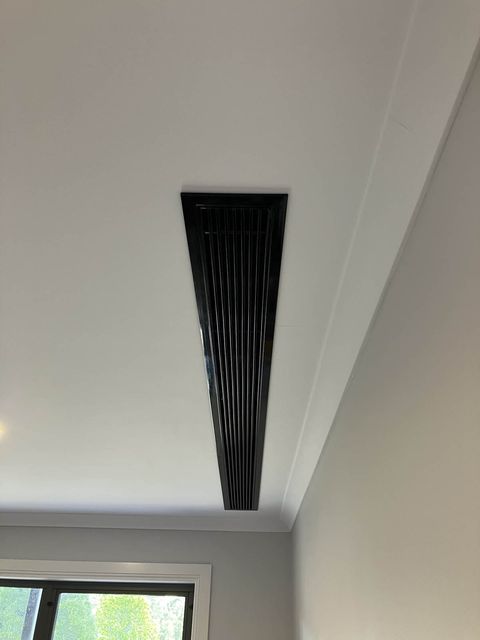
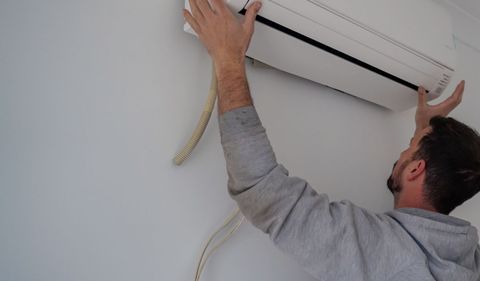
The ACT Government's buyers guide points smaller houses (below 180 sqm), or homes that only need some rooms done, towards splits, and larger homes towards ducted or multi-head systems. The split or ducted quiz is a quick way in.
Get quotes from suppliers on the Brighte list
For the rebate, quotes have to come from accredited suppliers on the Brighte list. Brighte also provides the scheme's loans, so ask any installer whether they're on that list before they come out.
Wait for pre-approval before you accept
If you're applying for the rebate, don't accept a quote until the ACT Government has pre-approved your application.
Check the electrical licence
In the ACT, wiring work on low voltage systems needs an unrestricted electrical licence. A restricted licence holder can only disconnect and reconnect. Access Canberra's public registers show whether a licence is current, expired, suspended or cancelled.
Ask for a heating rating that suits Canberra
The ACT Government's buyers guide says to look for an 'H2' coefficient of performance rating for Canberra's winters, and that good systems work even at minus 10 degrees.
Why heating comes first in Canberra
The ACT Government says heating makes up about 60% of the average Canberra household's energy use. A system chosen for summer and asked to carry a Canberra winter is the wrong system, so the installer you want is a heating specialist who fits reverse cycle for cold climates week in, week out.
If you're replacing ducted gas, there's one more thing for the quote. The ACT Government's reverse cycle guide says the old gas ducts can't be reused for a reverse cycle system, because they're too narrow and may have age related issues. Expect new ducting to be part of the job, and see our page on switching from gas heating to electric.
What you sort out, and what the installer does
You can
- Checking your eligibility for the loan and, if you hold a concession card, the rebate.
- Booking the workshop early.
- Asking installers whether they're on the Brighte list.
- Looking for a Mr Fluffy safety tag at the meter box in an older home, and mentioning it.
Leave to a licensed installer
- Sizing the system for Canberra's winters, not just its summers.
- Quoting the full supply and installation, so the rebate can be worked out.
- Electrical wiring, which needs an unrestricted electrical licence in the ACT.
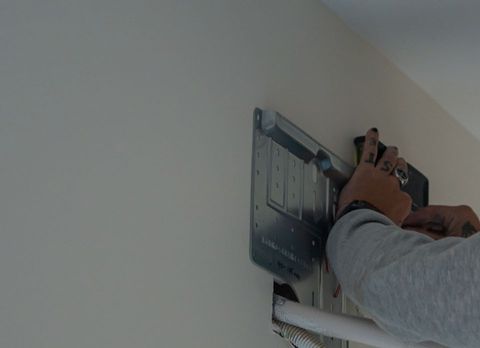
- New ducting, and removing old gas ducts, if you're switching from ducted gas.
What we'd do
If it were our home
If we qualified for both, we'd apply for the rebate first and wait for pre-approval before accepting anything, then look at the scheme's zero-interest loan for the rest. We'd only take quotes from suppliers on the Brighte list, and we'd want a reverse cycle installer who sizes for Canberra's winters rather than its summers. That's where most of the energy goes.