Where ducted gas heating is common, and why
Victoria is gas ducted country. In a 2021 survey of Victorian home owners in mains gas areas, done by JWS Research for the Victorian Government, 54% had gas ducted heating and half said it was what they mostly heated with. The report puts this down to Victoria's colder climate and a plentiful gas supply.
In cold cities, heating is most of the job. The ACT Government says it makes up about 60% of the average Canberra household's energy use.
Gas ducted or ducted reverse cycle?
| Gas ducted heating | Ducted reverse cycle | |
|---|---|---|
| How it makes heat | Burns gas and blows the warm air through the ducts | A heat pump moves heat from the outside air into the house |
| Cooling | None, unless you fit add-on cooling | Heats and cools from the same system |
| Speed and running | The ACT Government says gas heats your home quickly | The ACT Government says running costs are much lower |
| Efficiency rating | Seeley says the more stars on a gas heater, the more efficient it is | Rated by coefficient of performance; the ACT guide calls 3.5 average for ducted |
| Ducts | Narrower ducts | Needs its own, larger ducts: the ACT guide says gas ducts can't be reused |
| Servicing | At least every two years by a qualified gasfitter (Energy Safe Victoria) | Every year, or as the maker recommends (ACT Government) |
Do the gas rules mean I have to switch?
Not if you own your home in Victoria. Your gas heater can stay, because DEECA confirms existing homes face no requirement to move their space heating off gas. The Victorian rules that start on 1 January 2027 stop new gas connections, for new buildings and for existing buildings without gas, so all new homes will be built all electric.
Rentals are different. From 1 March 2027, when the main living area heater permanently fails and can't be repaired, the replacement must be an energy efficient electric system. For ducted, that's an electric system with a Heating Seasonal Performance Factor of 3.2 or above. A working gas heater can stay. Our rental heating guide has the detail.
The ACT has gone further. New gas network connections have been blocked since 8 December 2023, the goal is to phase out fossil fuel gas by 2045, and the ACT Government says parts of the network will likely shut from the mid-2030s. If you're in Canberra, weigh that before putting in a new gas heater, and read our page on switching from gas to electric.
Carbon monoxide: why the servicing matters
Energy Safe Victoria says any gas heater can spill carbon monoxide, old or new, central heating units included, and it has no smell. Its warning signs include headaches, dizziness, nausea, and people or pets getting sick at the same time. If you suspect it, leave the house and get into fresh air, turn off the gas appliances and open the windows and doors if you can do it on the way out, and call 000 in an emergency. Keep the heater off until a qualified gasfitter clears it.
What a ducted heating install involves
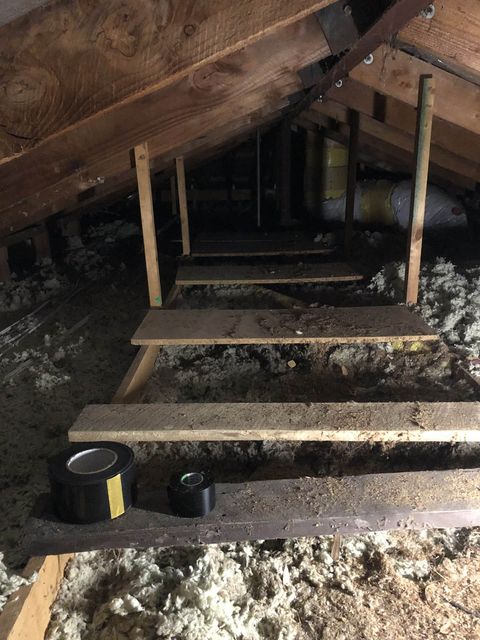
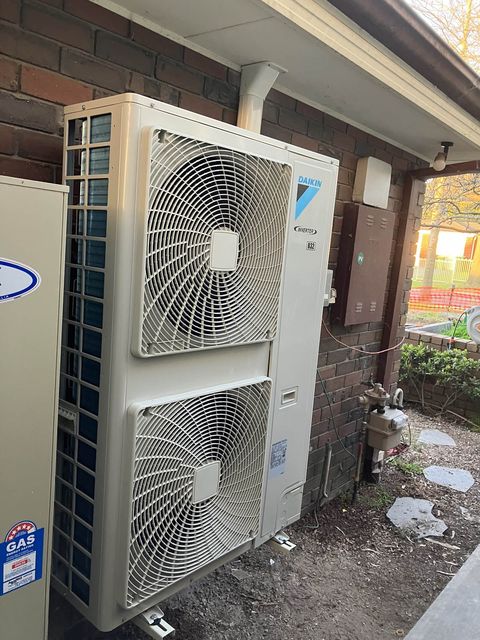
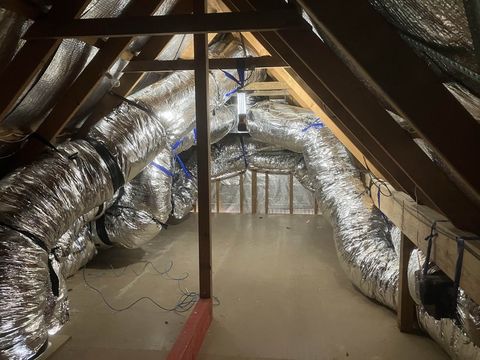
The heater goes where there's room for it and safe access: Seeley says a ducted gas heater can sit inside the roof, under the floor or outside the house. Ducts run from it to outlets in each room, with a return air grille drawing air back. Zones can be added so you only heat the rooms in use.
If you might want cooling one day, say so now. Rinnai advises telling the dealer if you plan to add cooling later, so the system can be sized for it. It can decide whether add-on cooling is possible later.
Gas work needs a licensed gasfitter. Ducted reverse cycle needs an ARC refrigerant licence plus state plumbing and electrical licences.
What makes the job bigger or smaller
The simplest job is a new gas heater in the same spot, on ducts that are in good shape. It grows when the heater moves, the ducts are tired, you add zones, or you switch to reverse cycle and need new ducting throughout.
Insulation matters both ways. The ACT guide recommends at least R1.5 insulation on ducting, and notes that ducts running through the ceiling reduce its insulation. Our page on ducts, vents and filters goes deeper.
Before the installer arrives
You can
- Find the old heater's brand and model from its manual or the controller, if you're keeping or replacing gas.
- Note which rooms are always cold and which you barely use.
- Keep floor and ceiling outlets clear of rugs and furniture.
Leave to a licensed installer
- Sizing the heater or heat pump for your house.
- Inspecting the ducts in the roof or under the floor.
- All gas connections, the flue and the safety checks.
- Refrigerant and electrical work on a reverse cycle system.
Questions to ask before you say yes
- Was the system sized from a heat load for this house, or matched to the old one?
- Are you reusing the ducts, and what condition did you find them in?
- For gas, what's the star rating? For reverse cycle, what are the rated capacity and input power?
- Who does the gas, electrical and refrigerant work, and what licences do they hold?
- Can this heater take add-on cooling later?
- What servicing does the warranty require, and who has to do it?
What we'd do
Where we'd start
If you own your home in Victoria and the gas heater has life left, there's no rush to change anything. Get it serviced and the ducts checked. If it's failing, compare a new gas heater against ducted reverse cycle before you're cold enough to say yes to the first quote. In Canberra we'd lean towards reverse cycle, given the ACT's gas phase-out. Either way, have a ducted heating specialist look at the ducts first, because they decide how well any new heater performs.