When a split system is the right choice
A split has two parts: an indoor unit on the wall and an outdoor unit outside, joined by pipes. Solar Victoria describes splits as great for heating and cooling single rooms or small apartments, and a reverse cycle split does both jobs from the one unit.
The ACT Government's buyer's guide is a good rule of thumb for the bigger decision. It says splits suit smaller houses (below 180sqm) or homes that only need some rooms heated or cooled, while larger homes are better served by ducted or multi-head systems. A large split can look after an open living area of up to 80 square metres, but you'd still need another unit for each bedroom you want comfortable.
If you only use two or three rooms most of the time, separate splits can make sense: you switch on only the ones you need.
Getting the size right
Size is listed in kilowatts, for example 3.5 kW, and a good installer works it out from your room rather than the box on special. Mitsubishi Electric calls a proper heat load calculation essential, because climate, which way the room faces, insulation and window size all change the answer.
As a starting point, Rinnai's buyers guide puts most small rooms (up to 20 square metres) at 2.5 kW and medium rooms (20 to 40 square metres) at 3.5 kW. Rinnai also warns that an undersized system struggles and an oversized one cycles on and off and never feels quite right. Our size calculator and the sizing guide go further.
What happens on install day
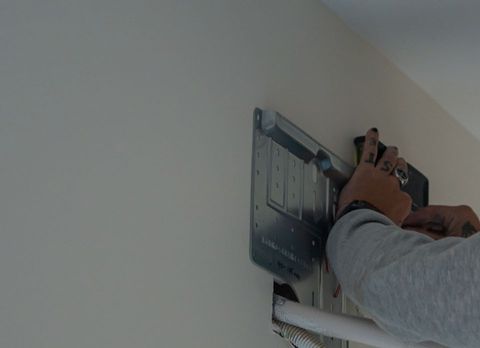
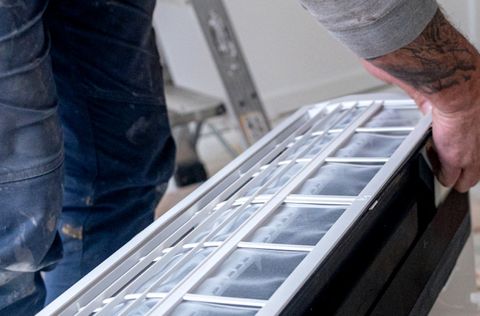
The indoor unit goes up
It's fixed high on an inside wall, with a hole through to the outside for the pipes, the power cable and the drain.
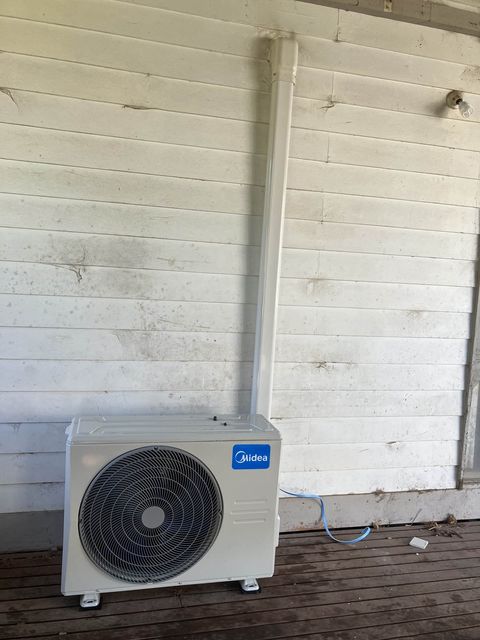
The outdoor unit is placed
On a pad, a bracket or a frame, somewhere it can draw fresh air and be reached for servicing.
Pipes, power and drain are connected
Mitsubishi Electric says the unit needs its own dedicated power supply, so expect the installer to check your switchboard and run a circuit if there isn't one.
The system is tested and handed over
In Victoria you should leave with an Energy Safe Victoria Certificate of Electrical Safety and a plumbing compliance certificate.
Where the outdoor unit should go
The ACT Government's guide says to ask your installer where the outdoor unit will sit, thinking about access for maintenance, noise reaching your neighbours and fresh air reaching the unit. It suggests avoiding enclosed courtyards.
Near the sea, ask about corrosion. Mitsubishi Electric's own instructions list salty places such as the seaside among places to avoid, and Daikin's warranty card makes the owner responsible for extra corrosion protection in sea air. A split specialist will know which coastal options the brand offers.
Who can legally install a split
Handling refrigerant needs a licence from the Australian Refrigeration Council. There are two that cover splits: the full RAC01, and the restricted RSS03, which only lets the holder install and decommission a single-head split under 18kW. Anything bigger, or any service work on the refrigerant, needs RAC01.
The ARC licence is only part of it. In Victoria, installing a reverse cycle split is plumbing work that needs registration with the Building and Plumbing Commission, and new wiring needs a licensed electrician. Other states have their own rules, which our licence guide walks through.
What you can do, and what needs a licence
You can
- Decide which rooms you actually use, and when.
- Look at where an outdoor unit could go, and whether a neighbour's bedroom window is close by.
- Read the energy label on the models you're shown, and ask about the heating rating if winters are cold where you live.
- Once it's in, clean the filters as the manual says. Daikin's general rule is every two weeks.
Leave to a licensed installer
- Sizing the unit from a heat load, not a guess.
- All refrigerant pipework, testing and charging.
- The electrical connection and any new circuit.
- Sealing the wall hole and setting the drain so water runs away from the indoor unit.
What a good written quote includes
- The brand, model and size in kW for each indoor unit, with the heating and cooling capacity.
- Exactly where the indoor and outdoor units will go.
- Who does the electrical work, and whether a new circuit is included.
- How the outdoor unit is mounted: pad, bracket or frame.
- The installer's Refrigerant Trading Authorisation number. The ARC requires it on quotes and invoices.
- The manufacturer's warranty, and the installer's own workmanship warranty.
- In Victoria, that you'll receive the electrical safety certificate and plumbing compliance certificate.
What we'd do
What we'd do
We'd ask for a heat load on the room before talking models, push back on any outdoor spot that's boxed in or next to a bedroom window, and only sign a quote that shows the installer's RTA number. Then we'd let a split specialist do it: someone who fits splits every week will get the drain, the bracket and the pipe run right the first time.