What VEU is, and who's behind the discount
VEU runs on certificates. Under section 16 of the Victorian Energy Efficiency Target Act 2007, only an accredited person can create a VEU certificate for an upgrade, so any VEU discount on your quote comes through an accredited provider.
The Victorian Government doesn't provide the upgrade. The regulations make anyone marketing a VEU upgrade take reasonable steps so you understand they don't work for the Government, and that the products come from private providers. They also have to tell you the program is voluntary.
The Essential Services Commission (ESC) also tells marketers not to claim they work for the VEU program, the ESC or the Victorian Government. A caller who opens with "I'm from the Government" has told you enough.
Which heating and cooling systems qualify?
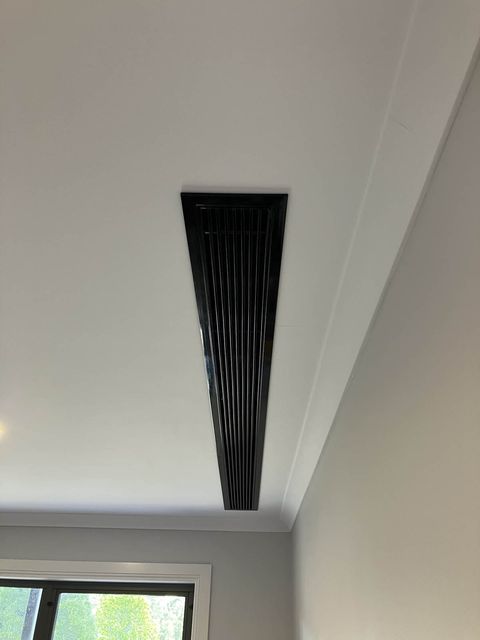
The VEU space heating and cooling activity is Part 6 of Schedule 2 to the VEET Regulations. Its air conditioner categories, 6A to 6G, are air-to-air systems that must be able to both cool and heat. A reverse cycle split or a reverse cycle ducted system fits that description, and it's the accredited provider who'll tell you whether your particular model and job qualify.
A gas space heater only heats and an evaporative cooler only cools, so neither fits those categories. Be wary of anyone pitching a VEU discount on either.
Ducted systems are grouped into three bands by rated capacity: 6A (under 10kW), 6B (10kW to 39kW) and 6C (more than 39kW, up to 65kW). All three share the ducted co-payment below.
Minimum VEU co-payments, before and from 30 September 2026
| Before 30 September 2026 | From 30 September 2026 | |
|---|---|---|
| Ducted (categories 6A to 6C) | $1,000 | $3,000 |
| Multi-split, 10 kW or more of total rated cooling | $1,000 | $3,000 |
| Multi-split, under 10 kW | $1,000 | $1,000, no change |
| Single split (not ducted), under 10 kW | $200 | $200, no change |
| Single split (not ducted), 10 kW or more | $1,000 | $1,000, no change |
What else changed on 30 September 2026
The VEU Specifications state these co-payments as including GST, so treat each figure as the minimum you pay with the tax already in it.
For multi-splits in homes, the heating or cooling capacity counted in the certificate calculation is now capped at 20 kW. Systems up to 39 kW can still be installed. If you've seen talk of some other VEEC cap, this 20 kW input cap is the real change.
You might also see 21 July 2026 quoted. That's when DEECA released version 25 of the VEU Specifications, which the changes follow. The new co-payments started on 30 September 2026, not in July.
The co-payment is a floor you can't get around. A certificate can't be created unless you've paid at least the minimum, and none of that payment can be reimbursed to you, whether as money, goods or services.
How to use VEU on your heating or cooling job
Choose the system first
Work out what the home needs before anyone mentions a discount. If a reverse cycle split or ducted system is the right answer anyway, VEU may take something off it.
Get the accredited person's name
Anyone marketing a VEU upgrade has to give you the name of the accredited person who'll create the certificate. Ask for it in writing.
Ask for your rights in writing
Before you sign, you must be offered a statement of your rights and obligations under the contract. You should also get dispute resolution information and the offer of the VEU consumer factsheet.
Check the co-payment on the quote
The written quote should show the discount and what you'll pay. For a ducted system, what you pay has to be at least the $3,000 co-payment.
Say no to anything that hands it back
Cashback, gift cards, bonus extras and "we'll cover your co-payment" are all ways of reimbursing it, and regulation 15A of the VEET Regulations rules that out.
Keep the paperwork together
The quote, the contract, the statement of rights and the accredited person's name. If anything goes wrong later, you'll want all of it in one place.
Calls and knocks you didn't ask for
Cold calling and door knocking to sell VEU upgrades are banned unless you gave express prior consent to be phoned or visited. The phone ban started on 1 May 2024 and the doorknocking ban on 1 August 2024.
Consent doesn't last forever, either. It's taken to be withdrawn 3 months after you give it, unless you agreed to a longer period.
Asking for help is a different thing. The bans don't stop a provider answering your enquiry or contacting you after you've asked them to, and the ESC says filling in an online enquiry form is one way of giving consent. If a doorstep visit ends in a signed deal, our cooling-off guide explains when you can still back out.
VEU offers we'd walk away from
- A ducted VEU job pitched as costing you nothing, when the minimum co-payment has been $3,000 since 30 September 2026.
- Cashback, vouchers or extras tied to paying your co-payment.
- Someone who says they're from the Government, the ESC or "the VEU program".
- A VEU discount offered on a gas space heater or an evaporative cooler.
- A phone call or knock on the door about VEU that you never agreed to.
- No name for the accredited person behind the certificate.
Questions to ask before you sign a VEU quote
- Who is the accredited person for this job: you, or another business?
- Which VEU category does this system fall into?
- What's my co-payment, and is it shown on the quote including GST?
- Can I have the statement of my rights and obligations, and the VEU consumer factsheet?
- If something goes wrong, how are disputes handled?
Landlords and VEU
A landlord who isn't the electricity or gas customer at a property is still taken to be the consumer if they arranged the upgrade there. That's section 16(2) of the Act.
If a rental's main living area heater is due for replacement, our guide to the Victorian rental heating rules covers what the new one has to be from 1 March 2027. If you're moving off gas altogether, start with switching from gas heating to electric.
What's yours to check, and what's theirs
You can
- Deciding what the home needs before anyone talks discounts.
- Asking for the accredited person's name, and keeping it.
- Reading the statement of rights and the contract before you sign.
- Checking the quote shows your co-payment.
Leave to a licensed installer
- Telling you whether the system and the job qualify for VEU.
- Creating the certificate, which only an accredited person can do.
- The install itself, by people holding the refrigerant, plumbing and electrical licences Victoria requires.
- Giving you a copy of the VEU code of conduct if you ask for one.
What we'd do
Our take
We'd treat VEU as a bonus on the right system, never the reason to buy one. Choose the reverse cycle split or ducted system the home actually needs, have it quoted by a reverse cycle specialist who works with an accredited provider, and get the accredited person's name and your co-payment in writing. If anyone offers to hand part of that co-payment back, we'd thank them and keep looking.