
Licences and rules
Heating and cooling in TasmaniaHeat pump work is plumbing work here.
In Tasmania, refrigerated air conditioning work is prescribed plumbing work, from the install through servicing and repairs to removal. It's licensed under the Occupational Licensing Act 2005, which also covers electrical and gas-fitting work. Tasmanian ads no longer have to show a licence number, so ask for one before anyone quotes.
What counts as plumbing work?
The Occupational Licensing (Plumbing Work) Regulations 2021 list the installation, replacement, repair, maintenance, servicing, commissioning, decommissioning and removal of mechanical services and refrigerated air conditioning systems as prescribed plumbing work. That's the whole life of a heat pump, not just the day it goes in.
There's one carve-out. Work by sheetmetal tradespeople in connection with ventilation or air conditioning plant isn't prescribed plumbing work, so the ductwork on a ducted job may come from a different trade.
The refrigerant licence sits on top. Whoever handles the refrigerant needs an ARC licence: RAC01, or RSS03 for single-head splits under 18kW.
Why the ad might not show a licence number
Section 100 of the Act used to require licence numbers in ads, and it was repealed from 1 January 2017. A missing number on a Tasmanian website doesn't mean the business is unlicensed. It means you ask.
The Act still polices what a business claims. Under s 38(2), nobody may represent that they, or anyone else, will contract for prescribed work unless the intended contractor holds the right contractor's licence. The maximum is 400 penalty units for a company and 200 for an individual. Holding someone out as a practitioner or contractor when they aren't one carries up to 150 or 75 penalty units under s 38(1).
What to ask a Tasmanian installer for
- The contractor's licence for the plumbing work, since that's what heat pump work is here.
- The technician's ARC licence number, starting with L.
- The business's RTA number, starting with AU, which belongs on quotes and invoices.
- Who's doing the electrical connection, and under which licence.
Heat pumps, winter nights and the neighbours
Every Tasmanian location in the National Construction Code's climate zone table, Hobart and Launceston included, is zone 7: cool temperate. Heating is the main job, so keep the 10pm change in mind when you pick the outdoor unit's spot.
EPA Tasmania's guideline limits are 45dB(A) between 7am and 10pm and 40dB(A) between 10pm and 7am, taken one metre from the external wall of the closest neighbouring home. The EPA adds that heat pump noise at any hour can be found unreasonable under section 53 of the Environmental Management and Pollution Control Act.
Renting in Tasmania
Tasmania's rental minimum standards (Residential Tenancy Act 1997, s 36M) need a heating device in a room that may be used as the main living area. It can be a fixed electric or gas heater, a heat pump, a wood heater (not an open fireplace), an approved open fireplace, or another prescribed device.
What we'd do
What we'd do in Tasmania
We'd ask for the plumbing contractor's licence and the technician's ARC number up front, because the ad may not show either. We'd place the outdoor unit away from the neighbour's bedroom wall. And we'd want a heat pump specialist who sizes for a Tasmanian winter, not a mainland summer. Where we have one near you, that's who gets your job.
What this work looks like
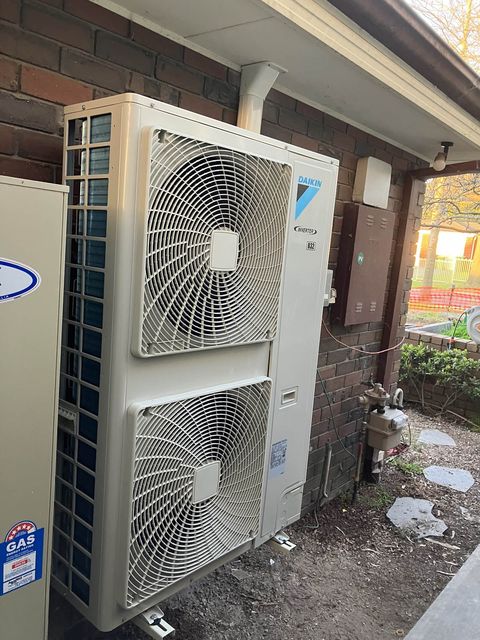
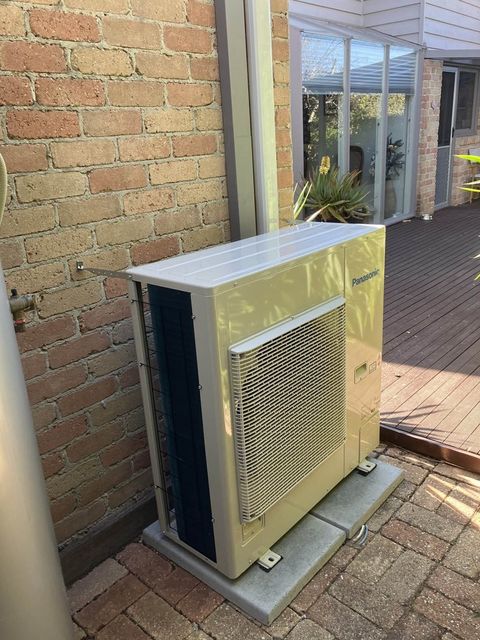
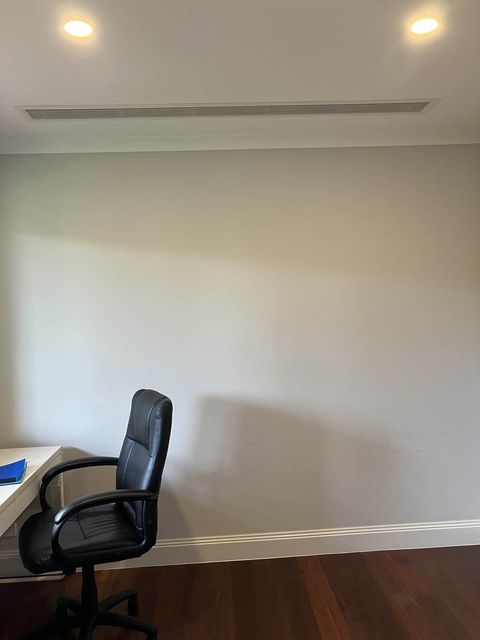
Photos from real jobs in Melbourne, to show what the work looks like. They aren't from an installer near you.
Cities in Tasmania
Questions people ask
Is a heat pump install plumbing work in Tasmania?
Why doesn't the installer's website show a licence number?
Does my Tasmanian rental have to have a heater?
Ready for the right installer to take a look?
Your postcode and three quick questions. Licence-checked local installers who specialise in your kind of job see it, and the one who takes it gets in touch to quote.
Read next
- 01How to check an installer's licenceRun the ARCtick check, read RAC01 and RSS03, and check the state licence too.
- 02Heat pumps for heatingHow reverse cycle heats from outside air, and how it copes on frosty mornings.
- 03Reverse cycle air conditioningHow reverse cycle heats and cools, which type suits your home, and what to check for winter.
- 04Aircon noise rules and neighboursQuiet hours, decibel limits by state, and how to place an outdoor unit so the neighbours don't notice.
- 05Reading an air conditioning quoteWhat a complete heating or cooling quote includes, and how to compare two fairly.
- 06How we check installersThe licence, insurance, ABN and review checks, and how to repeat most of them yourself.
Where this information comes from
- Tasmanian Legislation Online Occupational Licensing Act 2005 (current), 28 October 2026
- Tasmanian Legislation Online Occupational Licensing (Plumbing Work) Regulations 2021 (current), 28 October 2026
- EPA Tasmania Guidelines for Heat Pumps and Air Conditioners, 28 October 2026
- Tasmanian Legislation Online Residential Tenancy Act 1997 (current), 28 October 2026
- Australian Refrigeration Council Licence types, 28 October 2026
- Australian Refrigeration Council Fact Sheet 12: Refrigerant Trading Authorisation number included when advertising RAC services (ARC5919/JVD/0726), 28 October 2026
- Australian Building Codes Board NCC 2016 Volume One, Part A1 Interpretation: Table A1.1 Climate zones for thermal design, various locations, 28 October 2026
We don't publish prices. Every home is different, so an installer's written quote is the only real number. How we write and check these pages.