
Launceston, Tasmania
Heating and cooling in LauncestonA heating city, with foggy mornings.
Launceston is a heating city. The Bureau of Meteorology table for Launceston gives a July average low of 2.5 degrees, and nights fall below 2 degrees on an average of 61 days a year. A reverse cycle heat pump heats efficiently through that and cools on summer days, when January averages 24.8.
Launceston's climate, homes and energy
Cold nights
The Launceston table (1991 to 2020) gives a July low of 2.5 degrees and a January high of 24.8, and Launceston Airport's July low is 2.1 (2004 to 2025). Nights drop below 2 degrees on 61 days in an average year.
Fog and humidity
Winters are known for foggy mornings, and July afternoon humidity averages 69%, against 48% in January.
Climate zone
NCC climate zone 7, cool temperate.
Smoke in the valley
Wood smoke caused 73% of winter air pollution in Launceston and surrounding areas, and thermal inversions trap it.
Homes
At the 2021 Census, the City of Launceston's occupied homes were 80.2% separate houses, 10.5% semis, terraces or townhouses and 8.6% flats or apartments. 33.8% were rented.
Energy
TasNetworks runs the electricity network. Tas Gas Networks' first stage, finished in July 2005, laid pipe through Launceston's urban areas, and gas is available to more than 58,000 Tasmanian properties.
What's different about heating and cooling in Launceston
The cold is the design condition. A split's energy label shows its heating capacity at 2 degrees, and Launceston's average July night sits right around there, so that figure tells you how the unit copes on an ordinary winter night, not just a bad one.
Foggy, cold mornings mean frost on the outdoor unit. Mitsubishi Electric says that's when the unit stops for up to 10 minutes to defrost, and the white vapour and dripping water are normal. Put the outdoor unit where the melt water can drain away.
Wood heaters are part of the picture here, and their smoke is behind most of the valley's winter pollution. Swapping one for a heat pump means no flue, no wood and no chimney smoke, and the ACT Government says reverse cycle turns each unit of electricity into 3 to 6 units of heat.
The jobs that come up most in Launceston, and why
Heat pumps for the living area. A split system in the main room is the natural first step, and a floor console suits rooms where you want the warmth to start low.
Servicing in autumn. Long winter running and smoky air make the yearly heat pump service in Launceston worth doing on time.
Whole-home heating. For bigger houses, ducted heating can be a ducted heat pump, or gas where it's available.
Flats and units. 8.6% of homes are flats or apartments, where body corporate rules and space for the outdoor unit come first.
Renting in Launceston
A third of Launceston homes were rented in 2021 (33.8%). Tasmania's rental minimum standards call for a heating device in a room that may serve as the main living area. A heat pump, a fixed electric or gas heater and a wood heater (but not an open fireplace) all count, as do an approved open fireplace or another prescribed device.
Tasmanian rules to check
Tasmanian law treats fitting or servicing a heat pump as prescribed plumbing work, so the person doing it needs that licence as well as an ARC refrigerant licence, and the wiring needs a licensed electrician. If a business offers to take on the contract, it must hold a contractor's licence for that class of work, so ask for the number.
Next door matters too. EPA Tasmania's heat pump guideline allows 45dB(A) in the daytime but only 40dB(A) overnight, judged one metre out from the neighbouring wall closest to the unit. In a semi or a block of units, that should decide where the outdoor unit goes.
Where we have them, licence-checked heat pump specialists near Launceston can see your job, and only the one who takes it gets your contact details. If 48 hours pass and none of them has taken it, specialists elsewhere in Tasmania may see it too.
What we'd do
If we lived in Launceston
We'd choose the heat pump on its heating capacity at 2 degrees, because that's an ordinary July night here, and we'd put it in the room we live in. If a wood heater is doing the job now, we'd plan the change in summer rather than mid-winter. And we'd book the service every autumn, with clean filters through the smoky months.
What this work looks like
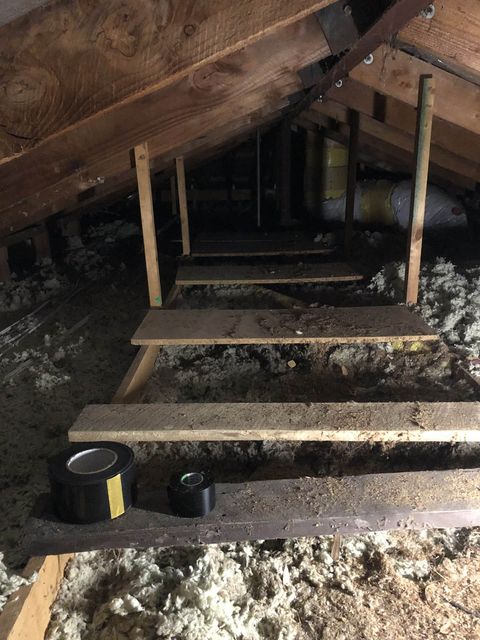
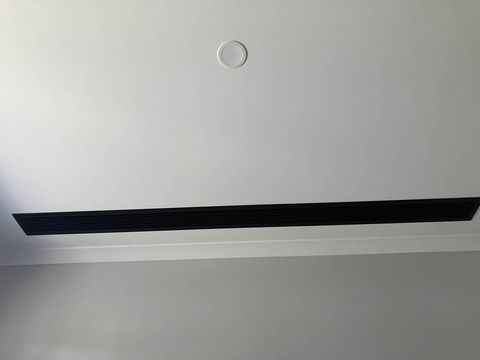
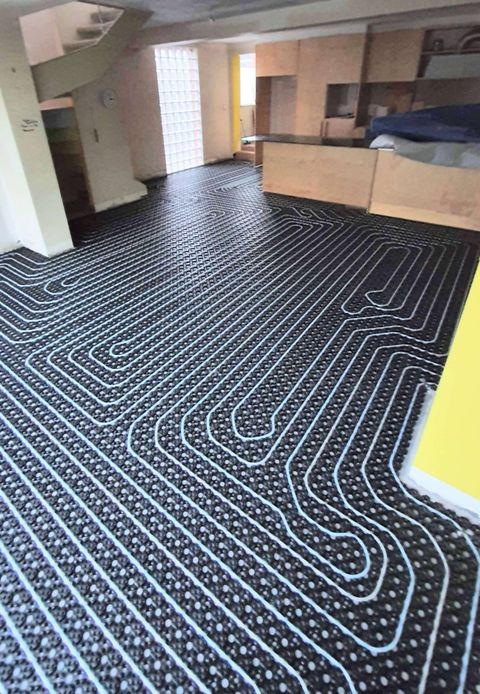
Photos from real jobs in Melbourne, to show what the work looks like. They aren't from an installer near you.
Heating and cooling jobs in Launceston
Questions people ask
Can a heat pump heat a Launceston home in winter?
Why does my heat pump stop on foggy mornings?
Is gas available in Launceston?
Do I need a heat pump in a Launceston rental?
Ready for the right installer to take a look in Launceston?
Your postcode and three quick questions. Licence-checked local installers who specialise in your kind of job see it, and the one who takes it gets in touch to quote.
Read next
- 01Air conditioning and heat pump service in LauncestonHeat pump servicing in Launceston: autumn timing, smoky-winter filters, defrost and what's checked.
- 02Split system installationWhen a split suits your home, how to size it, and what a good install includes.
- 03Heat pumps for heatingHow reverse cycle heats from outside air, and how it copes on frosty mornings.
- 04Floor-standing air conditionersFloor console splits: why they suit heating and rooms short on wall space.
- 05Aircon noise rules and neighboursQuiet hours, decibel limits by state, and how to place an outdoor unit so the neighbours don't notice.
- 06Heating and cooling in TasmaniaTasmania's plumbing licence rule for heat pumps, the missing licence numbers, noise limits and rentals.
Where this information comes from
- Wikipedia (climate tables cite Bureau of Meteorology) Launceston, Tasmania, 28 October 2026
- Australian Building Codes Board NCC 2016 Volume One, Part A1 Interpretation: Table A1.1 Climate zones for thermal design, various locations, 28 October 2026
- Australian Bureau of Statistics 2021 Census All persons QuickStats: Launceston (LGA64010), 28 October 2026
- TasNetworks About us, 28 October 2026
- Tas Gas Networks About us, 28 October 2026
- ACT Government, Sustainable Household Scheme Heating and cooling your home: a guide to reverse cycle systems (PDF), 27 March 2023
- ACT Government, Everyday Climate Choices Heating for your home, 28 October 2026
- Mitsubishi Electric Australia Split-type air conditioners, indoor unit MSZ-AS90VGD, operating instructions (PDF), 26 October 2020
- Mitsubishi Electric Australia Air Conditioner Buying Guide, 28 October 2026
- Tasmanian Legislation Online Occupational Licensing Act 2005 (current), 28 October 2026
- Tasmanian Legislation Online Occupational Licensing (Plumbing Work) Regulations 2021 (current), 28 October 2026
- EPA Tasmania Guidelines for Heat Pumps and Air Conditioners, 28 October 2026
- Tasmanian Legislation Online Residential Tenancy Act 1997 (current), 28 October 2026
- Australian Refrigeration Council Fact Sheet 13: Who can do what, with Split System Air Conditioners (ARC5919/JVD/0726), 28 October 2026
- Blufire Pty Ltd Blufire's lead engine rules (supplied 29 October 2026) and Privacy Policy, 29 October 2026
We don't publish prices. Every home is different, so an installer's written quote is the only real number. How we write and check these pages.