
Alice Springs, Northern Territory
Heating and cooling in Alice SpringsDesert days, frosty nights.
Alice Springs needs strong cooling for summer and real heating for winter nights. Alice Springs Airport averages a 37.1-degree maximum in January and a 3.9-degree minimum in July, and the town averages 12.4 nights below freezing a year. The air is very dry, which suits evaporative cooling, but only a heat pump or a heater will see you through July.
What's different in Alice Springs
Very dry heat
Average afternoon humidity at the airport is 21% in January and 30% in July. CHOICE says evaporative coolers are most effective in hot, dry climates with low humidity, as long as some windows stay open.
Frost
Alice averages 12.4 nights below freezing a year, helped by its elevation of about 545 metres, and the airport's record low is -7.5 degrees. Heating isn't a footnote here.
Extremes
The airport's record high is 47.5 degrees. ActronAir says cooling capacity drops above 35 degrees, and the average January maximum is already past that, so sizing for the heat matters.
Climate zone 3
The national building code puts Alice Springs and Tennant Creek in zone 3, which it labels hot dry summer, warm winter. The frost count says plan for cold nights anyway.
Gas and power
Australian Gas Networks lists Alice Springs among its regional centres, but its whole NT network is 40 km long with 1,190 customers, so check whether your street is connected before planning gas heating. Electricity comes from the southern grid, which serves about 28,000 people separately from Darwin's network.
Homes
At the 2021 Census, 64.2% of Alice Springs' homes were separate houses, 27.9% were semi-detached, row or terrace houses or townhouses, and 43.2% were rented.
The jobs that come up most, and why
Evaporative cooling fits the dry summer air. It doesn't heat, though, so it's only half of the answer for most homes. Our evaporative or refrigerated guide compares the two.
Reverse cycle, as splits or ducted, covers both seasons from one system. The ACT Government says good systems keep heating at -10 degrees, colder than the airport's record low, and that each unit of electricity gives 3 to 6 units of heat against one from a portable electric heater.
Servicing before summer keeps either kind running through the heat. Air conditioning service in Alice Springs covers what to book and when.
What we'd do
Our take
For most Alice Springs homes we'd want reverse cycle in the rooms you live and sleep in, so the frosty nights are covered, and then decide whether evaporative is worth adding for the peak of summer. If you already have an evaporative cooler you like, we'd keep it serviced and add a reverse cycle split for winter rather than relying on a plug-in heater.
Finding someone in Alice Springs
We're new, and still building our network, especially outside the capital cities. Where we have licence-checked installers in Alice Springs who do your kind of job, they can see it, and only the one who takes it gets your contact details. If no one in the Alice takes it within 48 hours, installers elsewhere in the Northern Territory may see it too.
What this work looks like
Photos from real jobs in Melbourne, to show what the work looks like. They aren't from an installer near you.
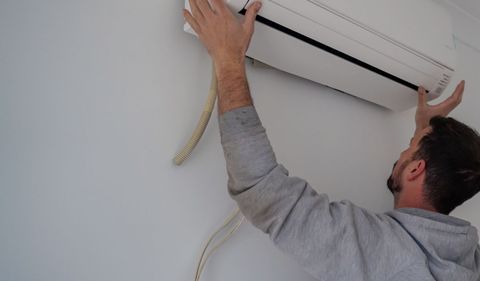
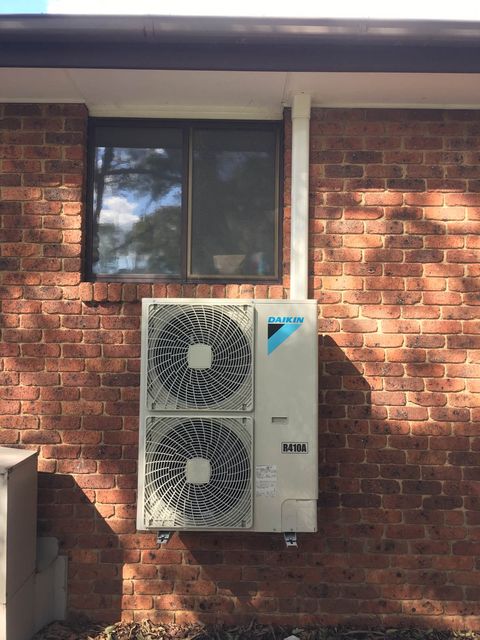
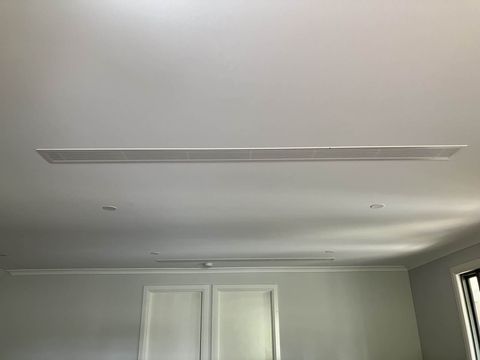
Heating and cooling jobs in Alice Springs
Questions people ask
Is evaporative cooling good in Alice Springs?
Do I really need heating in Alice Springs?
Can my aircon cope with the hottest days?
Who can install air conditioning in Alice Springs?
Ready for the right installer to take a look in Alice Springs?
Your postcode and three quick questions. Licence-checked local installers who specialise in your kind of job see it, and the one who takes it gets in touch to quote.
Read next
- 01Heating and cooling in the Northern TerritoryNational licences in the NT, what to ask about the wiring, and what Darwin and Alice Springs each need.
- 02Evaporative or refrigerated cooling?How each kind of cooling works, why humidity matters, and what each one needs from your home.
- 03Reverse cycle air conditioningHow reverse cycle heats and cools, which type suits your home, and what to check for winter.
- 04Evaporative coolingHow evaporative cooling works, where it suits, and what a good install involves.
- 05Heat pumps for heatingHow reverse cycle heats from outside air, and how it copes on frosty mornings.
- 06How to check an installer's licenceRun the ARCtick check, read RAC01 and RSS03, and check the state licence too.
Where this information comes from
- Wikipedia (climate table cites Bureau of Meteorology) Alice Springs, 28 October 2026
- Australian Building Codes Board NCC 2016 Volume One, Part A1 Interpretation: Table A1.1 Climate zones for thermal design, various locations, 28 October 2026
- CHOICE Evaporative cooler vs air conditioner, 27 January 2022
- Australian Bureau of Statistics 2021 Census All persons QuickStats: Alice Springs (LGA70200), 28 October 2026
- Wikipedia Power and Water Corporation, 28 October 2026
- Australian Gas Networks About us, 28 October 2026
- ActronAir What size air conditioner do I need?, 28 October 2026
- ACT Government, Sustainable Household Scheme Heating and cooling your home: a guide to reverse cycle systems (PDF), 27 March 2023
- ACT Government, Everyday Climate Choices Heating for your home, 28 October 2026
- Australian Refrigeration Council Fact Sheet 13: Who can do what, with Split System Air Conditioners (ARC5919/JVD/0726), 28 October 2026
- Blufire Pty Ltd Blufire's lead engine rules (supplied 29 October 2026) and Privacy Policy, 29 October 2026
We don't publish prices. Every home is different, so an installer's written quote is the only real number. How we write and check these pages.