
Grafton, New South Wales
Heating and cooling in GraftonReal summer heat, and colder nights than you'd think.
Grafton asks a lot of an air conditioner at both ends of the year. The town reached 46.3 degrees on 12 February 2017, and July nights at the airport average 5.4 degrees. A reverse cycle system here needs enough capacity for heatwaves and enough heating for frosty mornings, so it's worth choosing on both.
What's different about Grafton
Heatwaves
Grafton is affected by heatwaves in the summer months. At Grafton Airport AWS (2006 to 2022), January's mean daily maximum is 30.3 degrees, and the airport's record high is 45.8 degrees, in February. The town itself reached 46.3 degrees on 12 February 2017.
Cold nights, mild days
July's mean daily minimum at the airport is 5.4 degrees, and the record low is minus 3.4 degrees, also in July. Winter has a relatively high diurnal range, meaning a big gap between a mild afternoon and a cold night.
Humid, a little less than the coast
Afternoon relative humidity at the airport averages 56% in January and 60% in February, with mean dew points of 19.0 and 19.3 degrees. That's a touch drier than Ballina's airport, but still humid. The building code lists Grafton as climate zone 2.
Clarence Valley homes
At the 2021 Census, 86.1% of occupied dwellings in the Clarence Valley council area were separate houses and 4.4% were flats or apartments. 3,211 private dwellings, 13.3%, were unoccupied.
Sizing for a Grafton heatwave
A system that's fine on an ordinary summer day can fall short on the worst ones. ActronAir says above 35 degrees an air conditioner loses cooling capacity, giving the example of a 14kW system dropping to 10kW or 12kW. Mitsubishi Electric says the same in plainer words: when it's very hot outside, the cooling effect may not be enough.
So ask for a heat load that accounts for the room's west-facing glass, its insulation and the ceiling height, and ask what the unit delivers on a very hot day, not just its rated kW. The energy label helps: the example in the ACT Government's guide shows cooling capacity at an outdoor temperature of 35 degrees.
Don't fix it by going much bigger. Rinnai says an oversized system short cycles and dehumidifies less effectively, which matters in a town with summer dew points near 19 degrees.
Heating in Grafton
Mild afternoons hide how cold Grafton's winter nights get. A reverse cycle system handles both seasons from one unit: the ACT Government says it turns each unit of electricity into 3 to 6 units of heat, against one unit for a portable electric heater.
For heating, look at the red stars on the energy label and the heating capacity at 2 degrees outside, which tells you more about a frosty July morning than the headline figure. Expect the odd pause, too. Mitsubishi Electric says heating can stop for about 10 minutes while the outdoor unit defrosts when it's cold and damp outside.
If you're weighing a gas heater instead, know that the NSW Energy Savings Scheme gives no incentive for gas space heaters installed from 1 July 2026. Our guide to reverse cycle or gas heating sets out the trade-offs.
Running it through a heatwave
NSW's Noise Control Regulation 2026 restricts the hours air conditioners on residential property can run when the noise is heard in a neighbour's room. The EPA said in August 2026 that the strengthened rules exempt air conditioners from restricted hours during severe or extreme heatwaves. That's worth knowing on a hot Grafton night.
Before the hottest weeks, clean the filters and clear anything from around the outdoor unit. Daikin recommends cleaning or changing filters at least once a month through summer. A yearly air conditioning service before December catches the rest.
NSW discounts and licences
Grafton households may be eligible for the NSW Energy Savings Scheme discount on an energy efficient air conditioner, if installers in the Clarence Valley offer it. It comes through an Accredited Certificate Provider, not the NSW Government, and the nomination form has to be signed before installation begins. Air conditioning work in NSW needs a licence or certificate, which you can check on Service NSW.
What we'd do
What we'd do in Grafton
We'd choose a reverse cycle system on two numbers: its cooling on a 35 degree day and its heating at 2 degrees outside. We'd have it sized from a proper heat load rather than bumped up a size for heatwaves. Then we'd service it before summer. Tell us what you need. Where we have them, licence-checked installers around Grafton who specialise in it can see the job, and the one who takes it is the only one who gets your number. If no one near Grafton has taken it after 48 hours, installers further afield in NSW may see it as well.
What this work looks like
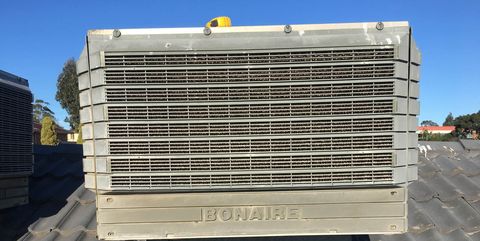
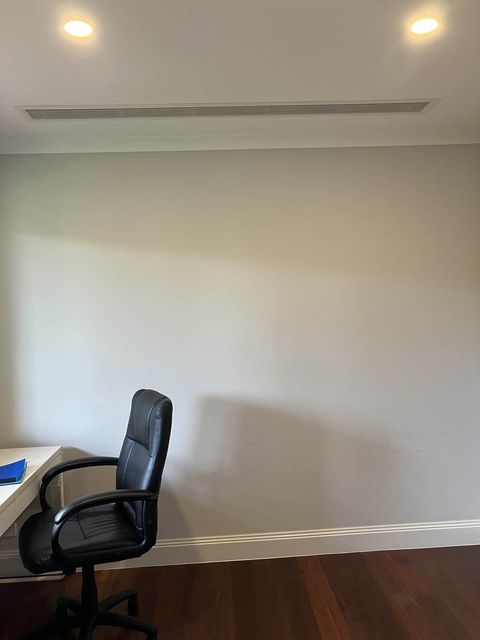
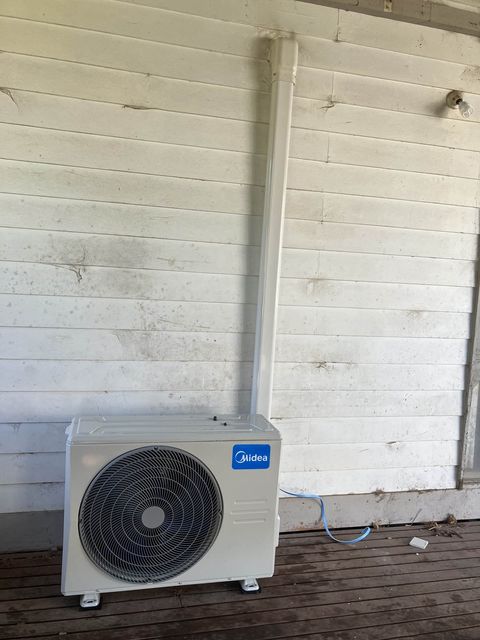
Photos from real jobs in Melbourne, to show what the work looks like. They aren't from an installer near you.
Questions people ask
What heating works well in Grafton?
Why does my aircon struggle on 40 degree days?
Can I run my aircon late at night during a heatwave?
Is there an ESS discount in Grafton?
Ready for the right installer to take a look in Grafton?
Your postcode and three quick questions. Licence-checked local installers who specialise in your kind of job see it, and the one who takes it gets in touch to quote.
Read next
- 01Reverse cycle air conditioningHow reverse cycle heats and cools, which type suits your home, and what to check for winter.
- 02What size air conditioner do I need?Rough kW sizes by room, what changes them, and how an installer should check the number.
- 03Air conditioner not cooling (or not heating)The checks to do yourself, what's normal in winter, and when it needs a technician.
- 04Reverse cycle or gas heating?Efficiency, cold mornings, carbon monoxide and the Victorian gas rules, in plain terms.
- 05Aircon noise rules and neighboursQuiet hours, decibel limits by state, and how to place an outdoor unit so the neighbours don't notice.
- 06NSW Energy Savings SchemeHow the ESS discount works on a new or replacement air conditioner, and what's left out.
Where this information comes from
- Wikipedia Grafton, New South Wales, 28 October 2026
- Australian Building Codes Board NCC 2016 Volume One, Part A1 Interpretation, Table A1.1 Climate zones for thermal design: various locations, 28 October 2026
- Australian Bureau of Statistics 2021 Census QuickStats: Clarence Valley (LGA11730), 28 October 2026
- NSW Government (NSW Climate and Energy Action) Air conditioner upgrade incentive (Energy Savings Scheme), 28 October 2026
- Wikipedia Ballina, New South Wales, 28 October 2026
- ActronAir What size air conditioner do I need?, 28 October 2026
- Mitsubishi Electric Australia Split-type air conditioners, indoor unit MSZ-AS90VGD, operating instructions (PDF), 26 October 2020
- Mitsubishi Electric Australia Air Conditioner Buying Guide, 28 October 2026
- ACT Government, Sustainable Household Scheme Heating and cooling your home: a guide to reverse cycle systems (PDF), 27 March 2023
- ACT Government, Everyday Climate Choices Heating for your home, 28 October 2026
- Rinnai Australia Ultimate split system air conditioner size guide, 28 October 2026
- Daikin Australia Getting your air conditioner summer ready, 28 October 2026
- NSW Government (Minister for Energy) Energy Savings Scheme (Amendment No. 1) Rule 2025, with notice of approval, 12 September 2025
- NSW Government (Energy NSW) Air conditioner upgrade incentive, 6 February 2026
- NSW Environment Protection Authority Protection of the Environment Operations (Noise Control) Regulation 2026, 28 October 2026
- NSW Environment Protection Authority Neighbourhood noise laws strengthened (media release), 31 August 2026
- NSW Government Air conditioning and refrigeration work, 23 October 2026
- Service NSW Check a builder or tradesperson licence, 15 August 2025
- Blufire Pty Ltd Blufire's lead engine rules (supplied 29 October 2026) and Privacy Policy, 29 October 2026
We don't publish prices. Every home is different, so an installer's written quote is the only real number. How we write and check these pages.