Gas ducted or ducted reverse cycle?
This is the first fork, and it shapes everything after it. Ducted gas heats only, unless you add cooling later. Ducted reverse cycle heats and cools from the one system.
Moving from gas ducted to reverse cycle means new ducts, as the ACT guide notes, and our guide to reverse cycle or gas heating covers that choice in depth. If you're keeping gas for now, Rinnai says add-on cooling can share the existing ducts on a compatible heater, though not every heater can take it.
In Victoria, owner-occupiers can keep gas ducted heating, and replace it with gas again: there's no requirement to go electric. A new home from 1 January 2027 will be all electric, so on a new build the choice is made for you.
Choosing ducted, step by step
Get a heat load, not a rule of thumb
ActronAir's rough formula, floor area times 150 watts for a 2.4 metre ceiling, is a starting point that it says leaves out many important factors. Mitsubishi Electric calls a professional heat load calculation essential. A ducted specialist should work through every room's size, windows, insulation and ceiling height.
Plan the zones around your day
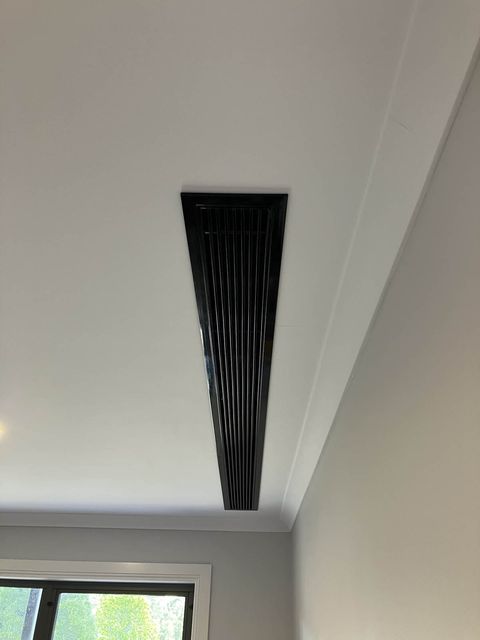
Zones are groups of rooms heated or cooled together. Daikin's example puts the bedrooms in one zone and the living areas in another. ActronAir says dampers in the ducts open and close to control each zone, and warns that zoning without proper temperature sensors can be less efficient and cost more to run.
Know what zoning can't do
ActronAir says its zones can only be 4 degrees apart, and the whole system runs in heating or cooling, not both at once. The ACT guide adds that ducted systems often keep serving the living areas whenever they run.
Ask about duct insulation
The ACT guide recommends at least R1.5 insulation on the ducts, and says to mention it because suppliers may not provide it by default. Ducts also cut into your ceiling insulation, so ask how the installer will make that good.
Check the power supply
The ACT guide says a ducted system in a large house may need an upgrade to three-phase power. Far better to know that before the quote than on install day.
Decide where the units go
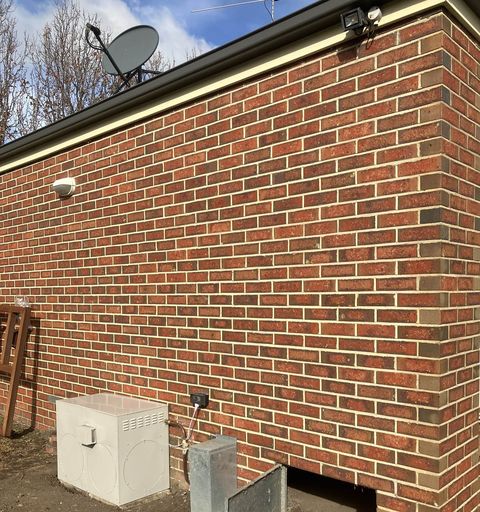
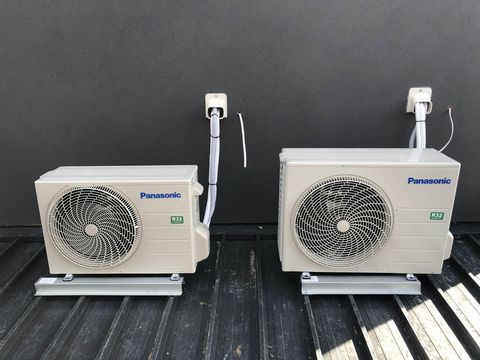
Seeley says a ducted gas heater can sit in the roof, under the floor or outside. For reverse cycle, the outdoor unit needs fresh air, access for servicing and a spot away from bedroom windows, yours and the neighbours'.
Ducted energy ratings: what to ask for
Don't lean on the energy label for ducted. The Australian Government's Energy Rating calculator says ducted units don't have to show star ratings, while the ACT guide says new ducted reverse cycle systems under 30 kW will be required to have a zoned rating. Labelling may vary, so look the model up on energyrating.gov.au.
For a gas ducted heater, Seeley says more stars mean a more efficient appliance. For reverse cycle, Victoria's rental standard is a useful benchmark: from 1 March 2027, an electric ducted system needs a Heating Seasonal Performance Factor of 3.2 or above to count as efficient heating, and a Total Cooling Seasonal Performance Factor of 3.8 or above for cooling. Ask the installer for those figures on the model they're quoting.
VEU discounts on ducted in Victoria
Ducted reverse cycle can qualify for a Victorian Energy Upgrades discount through an accredited private provider. The program is voluntary, and from 30 September 2026 a ducted VEU job carries a minimum co-payment of $3,000, so there's always a share for you to pay.
Gas ducted heating isn't covered, because VEU's air conditioner categories have to both heat and cool. Our VEU guide explains how it works and who offers it.
Stay out of the roof space
Checking ducts means crawling through the roof. WorkSafe Victoria reports workers falling through plaster ceilings up there, and says not to step on ceiling materials. If you want a look, stay on the ladder at the manhole, and only if you're comfortable. Leave the crawling to the installer.
Questions to ask before you sign
- How did you work out the size, room by room?
- How many zones, which rooms are in each, and does each have its own temperature sensor?
- What insulation rating are the ducts, and what happens to the ceiling insulation where they run?
- Does the house need three-phase power?
- Where will the indoor and outdoor units go, and how will a technician reach them for servicing?
- What does the warranty need from me: registration, servicing, and by when?
Read the warranty conditions before you sign
Warranty terms on ducted systems can ask a lot of the owner. ActronAir's, for example, start the warranty at commissioning, ask owners to register within 14 days, and make the purchaser responsible for maintenance by a suitably licensed or qualified person every 12 months for residential systems.
It also encourages owners to call the installer first if something goes wrong, so an installation fault isn't lodged as a warranty claim. That's one more reason to choose an installer who'll still be around in five years. We're not a dealer for any brand, so read the terms for whichever one you're quoted.
What you can do before the quote, and what you can't
You can
- List each room, how you use it and when, so the zones can be planned around you.
- Note any rooms that run hot or cold now.
- Find the manhole and clear anything blocking access to it.
- Gather the model details of any heater you're replacing, from its label or manual.
Leave to a licensed installer
- The heat load and the duct design.
- Everything in the roof space or under the floor.
- Gas connections (a licensed gasfitter) and electrical work (a licensed electrician).
- Commissioning, which some warranties count from.
What we'd do
Where we'd start
Decide gas or reverse cycle first, because it changes everything after it. Then we'd ask for three things in writing: the heat load, the zone plan with sensors, and the duct insulation rating. A ducted specialist will provide all three without fuss. If a quote shows only a unit size and a number of outlets, we'd ask for the rest before going any further.