How hydronic heating works
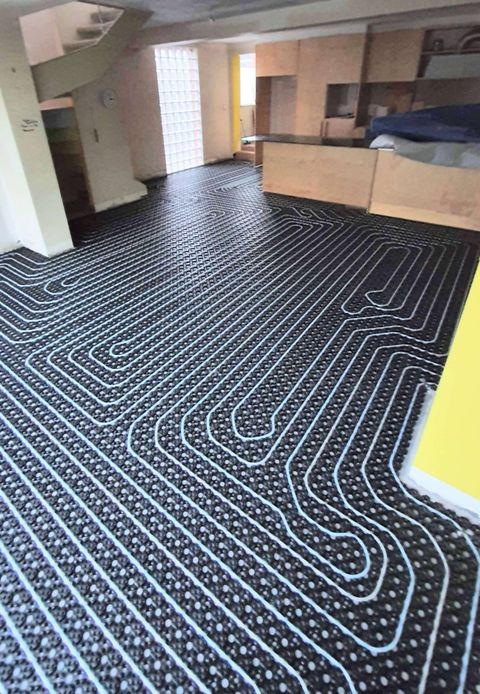
The ACT Government describes hydronic as heating water and spreading that heat through radiators or pipes in the walls or floor. Solar Victoria puts it as water circulating through radiator panels in each room or under the floor.
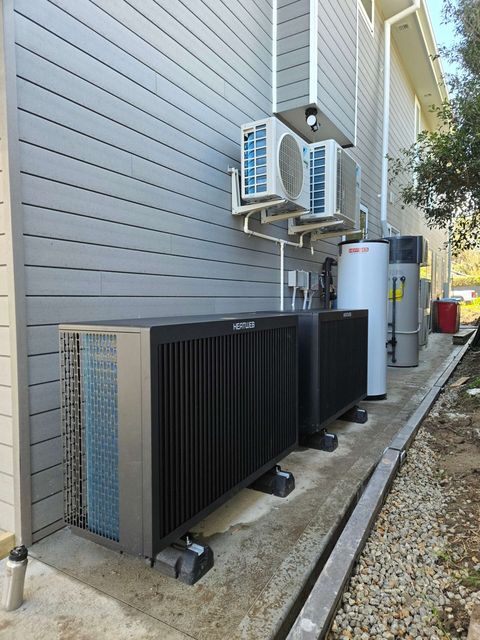
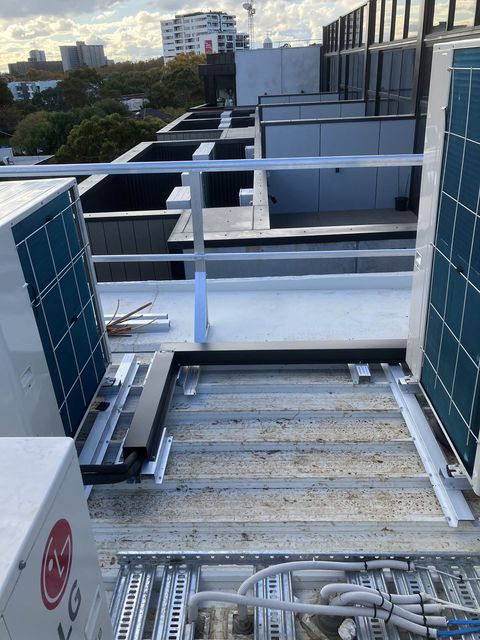
Something has to heat the water. The ACT says that's usually gas, but it can be a wood-fired heater, a solar system or a heat pump. A heat pump hydronic system, Solar Victoria says, converts heat from the outside air into hot water that's piped through the home.
Solar Victoria adds two notes worth knowing: hydronic can suit people with asthma or respiratory issues, and the pipes need proper insulation to stay efficient.
How ducted heating works
There are two kinds. Seeley says a ducted gas heater takes air from inside the house, heats it and pushes it out through the outlets. Ducted reverse cycle, the ACT guide says, uses an outdoor compressor and an indoor unit in the ceiling or under the house, feeding insulated ducts that heat and cool many rooms.
Ducts bring their own catch. The ACT Government says ducting through the ceiling reduces your ceiling insulation, and that ducted outlet vents can reduce the ceiling's thermal performance. Its guide recommends at least R1.5 insulation on the ducts themselves.
Hydronic and ducted heating, side by side
| Hydronic | Ducted | |
|---|---|---|
| How heat reaches you | Warm panels or a warm floor, with no air blown about | Warm air through ceiling or floor vents |
| Cooling | Mostly sold as heating: ask whether the system you're quoted cools at all | Ducted reverse cycle cools; gas ducted needs add-on cooling |
| Zoning | Down to one room, the ACT Government says | Dampers set the zones; the ACT guide rates it limited to good |
| What you see | Panels on the walls, or nothing with underfloor | Vents in each room and a return air grille |
| What heats it | Gas, wood, solar or a heat pump | Gas, or electricity for reverse cycle |
| Where heat is lost | The pipes, so they need insulating | The ducts, so R1.5 or better is recommended |
| Servicing | Gas-fired: treat it like any gas heater | Gas ducted at least every two years; reverse cycle yearly |
What each one asks of your house
Hydronic means pipework to every room you want heated. Panels can be added to an existing home, while underfloor hydronic is far simpler to put in while a floor is being laid or replaced, so it fits new builds and big renovations. Our page on underfloor hydronic goes further.
Ducted needs room for the ducts, usually a roof space or subfloor you can get into, plus a spot for the central unit. Seeley says a ducted gas heater can go in the roof, under the floor or outside the house.
Swapping one ducted system for another isn't always simple either. If you have gas ducted and want reverse cycle instead, the ACT guide says the old ducts can't be reused: they're too narrow and may have age-related issues.
Gas-fired systems and carbon monoxide
Gas ducted heaters and gas-fired hydronic systems both burn gas, and Energy Safe Victoria says any gas heater, central heating units included, can spill carbon monoxide. Have yours serviced at least every two years by a licensed gasfitter. If people in the house feel unwell only while they're at home, go outside into fresh air, switch the gas appliances off, and leave the heater off until a gasfitter has looked at it. Our page on carbon monoxide testing has more.
Gas, electric and the Victorian rules
From 1 January 2027, Victoria bans plumbing work that connects mains gas to a house that doesn't already have it, and the Victorian Government says new homes will be built all electric. For a new build, that points you to heat pump hydronic or ducted reverse cycle.
If you own and live in an existing home, nothing changes. There's no requirement to switch gas heating to electric, and you can keep running what you have.
For rentals, the 2027 heating standard only applies when the main living area heater permanently fails. A ducted or hydronic system with an outlet in that room, in good working order and in place before 1 March 2027, is one of the listed types that can stay.
What you can do, and what's for a licensed tradesperson
You can
- Keep furniture and heavy curtains away from panels and vents so the heat can get out.
- Check when a gas-fired system was last serviced, and book one if it's been two years.
- Fit a carbon monoxide alarm as a back-up, not as a replacement for servicing.
- Decide which rooms you'd heat, and whether you want cooling from the same system.
Leave to a licensed installer
- Gas connections, boilers and gas ducted heaters: a licensed gasfitter.
- Running hydronic pipework or fitting a heat pump.
- Designing and insulating ducts, and setting up the zones.
- Electrical connections for heat pumps and reverse cycle units.
Questions to ask before you choose
- What heats the water, and could it switch to a heat pump later?
- How are the pipes insulated, and where will they run?
- Can each room be controlled on its own?
- For ducted: does it cool, or is it heating only?
- What insulation rating do the ducts have?
- What will need servicing, and how often?
What we'd do
What we'd do
If we wanted one system for winter and summer, we'd choose ducted reverse cycle and make sure the ducts are well insulated. If heating was the priority, the floors were being replaced anyway and we wanted each room under its own control, we'd look hard at hydronic with a heat pump, and plan summer cooling separately. For a gas system that's working now, we'd keep it serviced and make the call when it's due for replacement. Either way, ask for a hydronic or ducted heating specialist, not a generalist.