
Mildura, Victoria
Air conditioning and heating in MilduraCooling first, without forgetting the frost.
Cooling comes first in Mildura. Mildura Airport averages 33.3 degrees in January, passes 40 on a number of days each year, and has reached 48.6. Frost is common in winter too, so a system that only cools leaves part of the year uncovered.
What Mildura's climate and homes mean for you
Very hot summers
Mildura Airport (Bureau of Meteorology station 076031) has a January mean maximum of 33.3 degrees and February 32.5, on 1991 to 2020 averages. The record is 48.6, and days above 40 come around a number of times each summer.
Very dry air
January afternoons average 25% relative humidity, and even July's afternoon average is 52%. Dry air like that suits evaporative cooling.
Frosty winters
July's mean minimum is 4.4 degrees and the record low is -4.0. Frost is common in winter, often hard enough to damage irrigated crops.
Climate zone 4
The National Construction Code puts Mildura in climate zone 4: hot dry summer, cool winter.
Houses, some units, lots of renters
At the 2021 Census, 85.4% of occupied homes in Mildura Rural City were separate houses, 7.8% semi-detached, terrace or townhouses, and 5.2% flats or apartments. 29.8% were rented.
What extreme heat does to an air conditioner
Every refrigerated system gives up some capacity in extreme heat. ActronAir says that above 35 degrees an air conditioner loses cooling capacity, using the example of a 14kW system dropping to 10kW or 12kW. Mildura's January average sits just under that line, and its hot days go well past it.
So sizing matters more here than in a milder town. The energy rating label shows cooling capacity at 35 degrees outside, and it's fair to ask an installer how the unit they're quoting will hold up on a 45 degree afternoon. A good one will size from a heat load and talk about the west-facing rooms. Our size calculator is a starting point for that conversation.
Evaporative, reverse cycle, or both?
Mildura's dry air is exactly what evaporative cooling needs. Seeley says it performs best in hot, dry climates, and that it works by passing outside air through wet pads, so some windows or doors must stay open while it runs. It doesn't heat, and it needs a water connection.
Reverse cycle does both jobs from one system, with the house closed up. For a home that wants one system for summer and the frosty months, that's usually the simpler answer. If you already have an evaporative cooler that keeps you comfortable, keeping it and adding good heating is a reasonable plan too. Our evaporative vs refrigerated guide goes through the trade-offs.
Units, rentals and the rules
If you're in a flat or townhouse, check the owners corporation's rules before anyone drills a wall for an outdoor unit. Victorian landlords have a deadline coming too: from 1 March 2027, an energy efficient fixed cooler is needed in the main living area when a new agreement starts or one goes month-to-month, and from 1 July 2030 in every rental.
On the heating side, a rental's main living area must have a fixed heater in good working order now. From 1 March 2027, if it fails for good, the replacement must be energy efficient electric.
Questions to ask a Mildura installer
- How will this unit perform on a 45 degree day, not just at the 35 degree rating?
- Where will the outdoor unit go, and will it have air around it all summer?
- Will this system heat the room on a frosty July morning?
- Is a new circuit needed, and who's doing the electrical work?
- What's your ARC licence and RTA number?
Your jobs, and the installer's
You can
- Clean the filters as your manual says. Daikin says at least once a month through summer.
- Keep the outdoor unit clear of leaves, weeds and anything stacked against it.
- With evaporative, open the windows furthest from the vents when it's running.
Leave to a licensed installer
- Sizing for the peaks.
- Refrigerant work, under an ARC licence.
- Plumbing registration and electrical work, which are licensed trades in Victoria.
What we'd do
What we'd do in Mildura
We'd size for the 45 degree afternoon, not the average one, and we'd want the installer to show us how the unit performs above 35. For one system that covers summer and winter, reverse cycle is where we'd start. If an evaporative cooler already works for you, we'd keep it serviced and spend the money on heating instead.
Tell us the job and your postcode when you're ready. Licence-checked installers around Mildura who specialise in that work can see it where we have them, and only the one who takes the job gets your number and email. If no one around Mildura takes it within 48 hours, installers elsewhere in Victoria may see it too. There's more on keeping a system going on our Mildura air conditioning service page.
What this work looks like
Photos from real jobs in Melbourne, to show what the work looks like. They aren't from an installer near you.
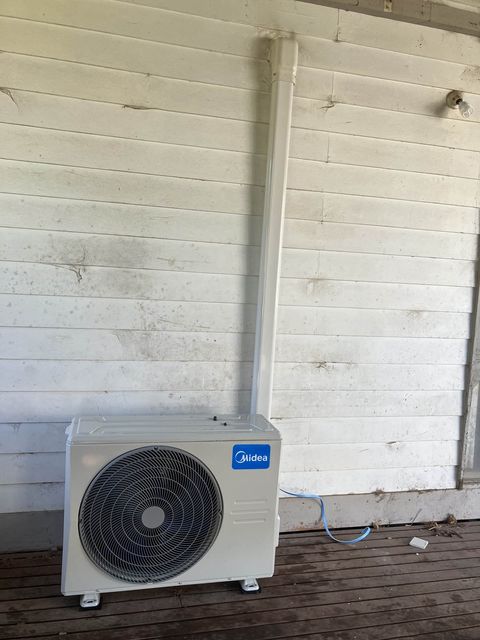
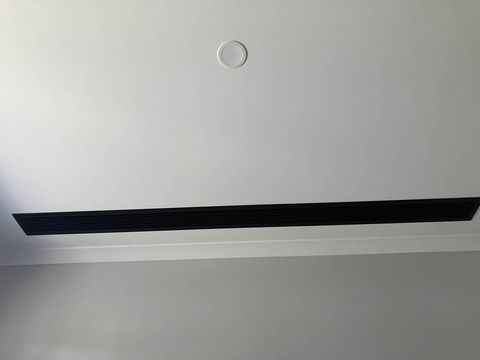
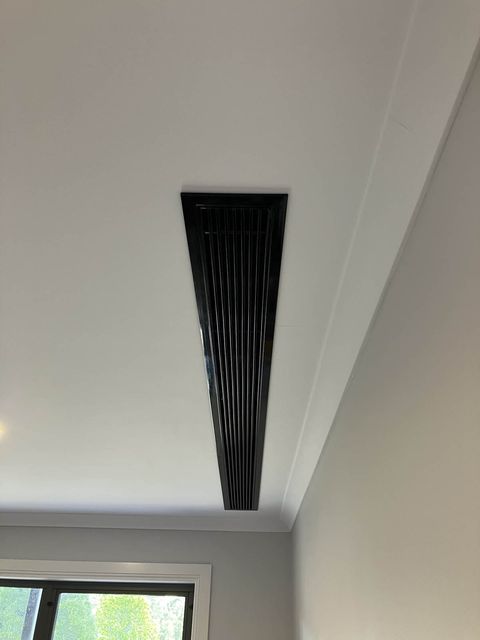
Heating and cooling jobs in Mildura
Questions people ask
Is evaporative cooling worth it in Mildura?
Why does my aircon struggle on the hottest days?
Do I need heating in Mildura?
Can I get a VEU discount in Mildura?
Ready for the right installer to take a look in Mildura?
Your postcode and three quick questions. Licence-checked local installers who specialise in your kind of job see it, and the one who takes it gets in touch to quote.
Read next
- 01Air conditioning service in MilduraKeeping a refrigerated or evaporative system going through a Mildura summer, and who to call.
- 02Evaporative or refrigerated cooling?How each kind of cooling works, why humidity matters, and what each one needs from your home.
- 03Evaporative coolingHow evaporative cooling works, where it suits, and what a good install involves.
- 04Reverse cycle air conditioningHow reverse cycle heats and cools, which type suits your home, and what to check for winter.
- 05Air conditioner size calculatorA rough kW size from your room's measurements, and what that number leaves out.
- 06Victorian rental heating and cooling rulesWhat a rental's heater and cooler must be now and from 1 March 2027, and what can stay.
Where this information comes from
- Wikipedia (climate table cites Bureau of Meteorology) Mildura, 28 October 2026
- Australian Building Codes Board NCC 2016 Volume One, Part A1 Interpretation: Table A1.1 Climate zones for thermal design, various locations, 28 October 2026
- Australian Bureau of Statistics 2021 Census All persons QuickStats: Mildura (LGA24780), 28 October 2026
- ActronAir What size air conditioner do I need?, 28 October 2026
- ACT Government, Sustainable Household Scheme Heating and cooling your home: a guide to reverse cycle systems (PDF), 27 March 2023
- Seeley International Reverse cycle vs evaporative cooling: what works best in Australian homes?, 28 October 2026
- Seeley International Frequently asked questions, 28 October 2026
- Seeley International (help centre) Optimising evaporative cooling in humid conditions, 28 October 2026
- Daikin Australia Getting your air conditioner summer ready, 28 October 2026
- Consumer Affairs Victoria Minimum energy efficiency standards: Cooling standard, 5 June 2026
- Consumer Affairs Victoria Rental properties: minimum standards, 14 October 2026
- Victorian Legislation (Chief Parliamentary Counsel) Residential Tenancies Amendment (Minimum Energy Efficiency Standards) Regulations 2025 (S.R. No. 63/2025), 28 October 2026
- Consumer Affairs Victoria Minimum energy efficiency standards: Heating standard, 5 June 2026
- Australian Refrigeration Council Fact Sheet 13: Who can do what, with Split System Air Conditioners (ARC5919/JVD/0726), 28 October 2026
- Victorian Legislation (Chief Parliamentary Counsel) Victorian Energy Efficiency Target Regulations 2018, Authorised Version No. 020 (incorporating amendments as at 30 June 2026), 30 June 2026
- Blufire Pty Ltd Blufire's lead engine rules (supplied 29 October 2026) and Privacy Policy, 29 October 2026
We don't publish prices. Every home is different, so an installer's written quote is the only real number. How we write and check these pages.