
Toowoomba, Queensland
Heating and cooling in ToowoombaWinter is the season that decides the system.
Toowoomba is a heating town as much as a cooling one. The Bureau of Meteorology's Toowoomba Airport station, 641 m above sea level, averages a July low of 6.6 degrees, and summer days above 33 degrees are uncommon. So choose a system for the cold mornings first, and the summer cooling comes along with it.
What's different about Toowoomba
Cold nights on the range
At Toowoomba Airport, January averages a top of 28.4 degrees and July a low of 6.6. Wikipedia says light frost comes several nights each winter in the city centre and more often in the western suburbs, and snow has been reported on the higher parts of the city on several occasions.
Mild, drier summers
Unlike most of inland Queensland, summer temperatures above 33 degrees are uncommon here. Afternoon humidity at the airport averages 51% in January and 56% in February, and drops to 40% in September and October.
Climate zone 5, not zone 2
The national building code map puts the Toowoomba council area in climate zone 5, while Brisbane and the coast are zone 2. For zone 5 on the Darling Downs, the Queensland Government says the main design aim is keeping the home warm in winter.
Houses, many of them old
At the 2021 Census, 82.7% of occupied homes in the Toowoomba Regional council area were separate houses and only 3.7% flats or apartments. The city is known for its Victorian-era and Queenslander homes, including the Caledonian Estate just east of the CBD.
Wind, hail and fog
Wikipedia says Toowoomba gets more frequent high winds, hail, fog and low maximum temperatures than many other Queensland towns. On 10 January 2011, 149.6 mm of rain in a day overwhelmed East Creek and West Creek through the CBD.
Power and gas
Toowoomba's power comes through Ergon Energy's network, and Allgas Energy supplies its natural gas. Ergon has stopped registering new PeakSmart installers because the program has closed.
The jobs that come up most in Toowoomba
Reverse cycle heating for the living areas. A well-sized split in the main living room is a sensible first step, because that's where cold mornings are felt most. It cools on the few hot days too.
Whole-house systems. With so many separate houses, ducted reverse cycle is a natural fit, and in Toowoomba it should be sized for winter.
Servicing before the cold sets in. A reverse cycle system that's about to carry your heating for months deserves a service in autumn.
Gas heaters. Where homes have gas heating, it needs regular servicing by a licensed gasfitter. In Queensland, work on a type A gas device needs a gas work licence, and a servicing licence doesn't cover installing or altering one. See gas heater servicing.
Reverse cycle or gas for a Toowoomba winter?
The ACT Government says a gas system heats a home quickly, but a reverse cycle system will have much lower running costs. Its guide also says air at 0 degrees still holds over 90% of the heat energy of air at 40 degrees, which is why a heat pump keeps working on a frosty morning.
Expect the odd pause. On cold, damp mornings a heat pump's outdoor unit frosts over, and Mitsubishi Electric's units stop heating for up to 10 minutes while they clear it. On a foggy Toowoomba morning that's normal, not a fault. Our reverse cycle or gas guide goes further.
What about evaporative cooling?
Toowoomba's summer air is drier than the coast's, and the Queensland Government says evaporative coolers work best in hot, dry climates. But summers here are mild, and Seeley's own comparison presents evaporative as cooling only, while reverse cycle covers winter heating too. In a zone 5 town, we'd put the money towards the system that heats.
What we'd do
Where we'd start in Toowoomba
We'd choose for winter first: a reverse cycle system whose heating capacity at 2 degrees on the energy label suits the room, sized from a heat load that counts the home's insulation and draughts. We'd put the outdoor unit where defrost water can drain away rather than pool on a path, and out of the worst of the wind. Then we'd give the job to an installer with a QBCC licence who heats homes on the range every winter. Licence-checked local installers who specialise in your kind of job will see it, and if none near Toowoomba takes it within 48 hours, installers elsewhere in Queensland may see it too.
What this work looks like
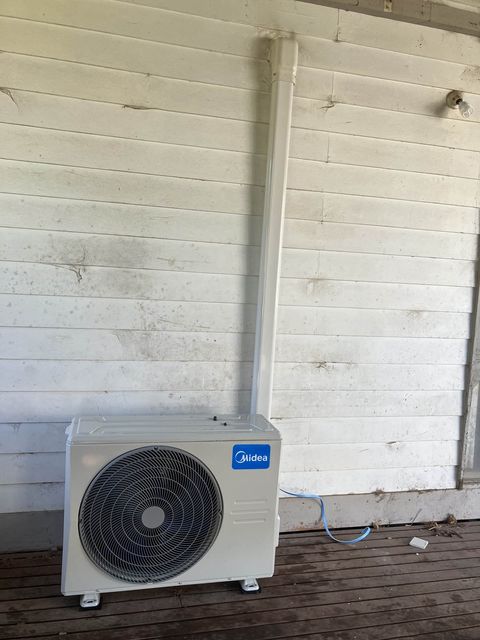
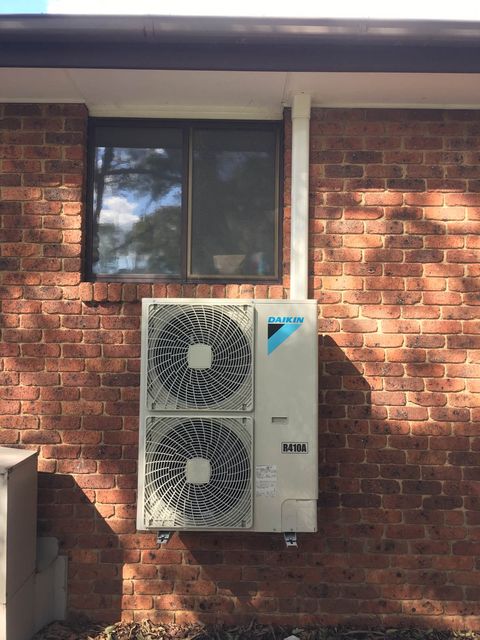
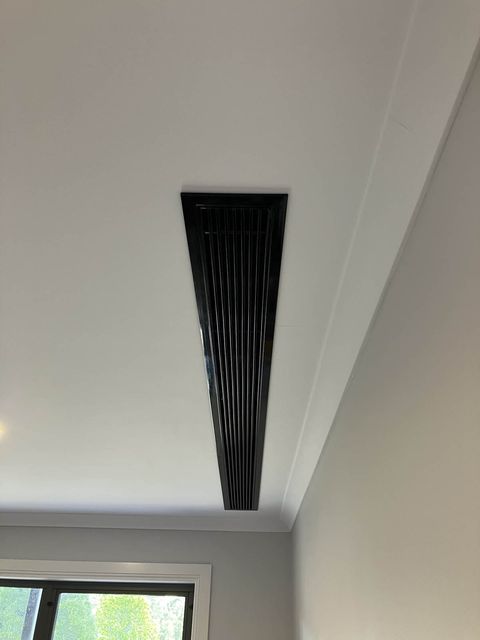
Photos from real jobs in Melbourne, to show what the work looks like. They aren't from an installer near you.
Heating and cooling jobs in Toowoomba
- Air conditioning installation in ToowoombaSizing and installing reverse cycle in Toowoomba, with winter, older houses and licences in mind.
- Ducted air conditioning in ToowoombaDucted reverse cycle in a Toowoomba house: sized for winter, and what to do about gas ducted heating.
- Air conditioning service in ToowoombaWhen to service a Toowoomba reverse cycle system, and what the visit should cover.
Questions people ask
Is reverse cycle good enough for a Toowoomba winter?
Why does my heat pump stop and steam on frosty mornings?
Who's licensed for heating and cooling work in Toowoomba?
Do I need cooling at all in Toowoomba?
Ready for the right installer to take a look in Toowoomba?
Your postcode and three quick questions. Licence-checked local installers who specialise in your kind of job see it, and the one who takes it gets in touch to quote.
Read next
- 01Heating and cooling in QueenslandQueensland's QBCC licence at any value, who does the wiring and gas, and how to read an installer's ad.
- 02Reverse cycle air conditioningHow reverse cycle heats and cools, which type suits your home, and what to check for winter.
- 03Reverse cycle or gas heating?Efficiency, cold mornings, carbon monoxide and the Victorian gas rules, in plain terms.
- 04Gas heater serviceHow often to service a gas heater, the warning signs, and who's licensed to do it.
- 05Heat pumps for heatingHow reverse cycle heats from outside air, and how it copes on frosty mornings.
- 06Evaporative or refrigerated cooling?How each kind of cooling works, why humidity matters, and what each one needs from your home.
Where this information comes from
- Wikipedia (Bureau of Meteorology data) Toowoomba, 28 October 2026
- Australian Building Codes Board Queensland Climate zone map (National Construction Code, release date Nov 2019, version VC00031.3), 28 October 2026
- Business Queensland (Queensland Government) Building in Queensland's climate zones, 24 July 2025
- Australian Bureau of Statistics 2021 Census QuickStats: Toowoomba (LGA36910), 28 October 2026
- Business Queensland (Queensland Government) Your gas supply, 3 June 2025
- Queensland Parliament Question on Notice No. 464 (asked 4 June 2014): Toowoomba Central Substation, 4 June 2014
- Ergon Energy PeakSmart for retailers and installers, 28 October 2026
- Queensland Government Evaporative air coolers, 23 January 2026
- ACT Government, Sustainable Household Scheme Heating and cooling your home: a guide to reverse cycle systems (PDF), 27 March 2023
- ACT Government, Everyday Climate Choices Heating for your home, 28 October 2026
- Mitsubishi Electric Australia Split-type air conditioners, indoor unit MSZ-AS90VGD, operating instructions (PDF), 26 October 2020
- Seeley International Reverse cycle vs evaporative cooling: what works best in Australian homes?, 28 October 2026
- Business Queensland (Queensland Government) Step 2: Decide which licence or authorisation you need (gas work), 7 September 2021
- Queensland Building and Construction Commission Advertising, 30 June 2025
- Queensland Building and Construction Commission Find a licensed contractor, 12 December 2025
- Blufire Pty Ltd Blufire's lead engine rules (supplied 29 October 2026) and Privacy Policy, 29 October 2026
We don't publish prices. Every home is different, so an installer's written quote is the only real number. How we write and check these pages.