What a Coffs Harbour service is dealing with
Humidity all summer
Afternoon humidity at Coffs Harbour MO averages 67% in January and 69% in February. The indoor unit's coil runs wet whenever it's cooling, which is why a clean drain and coil matter so much here.
Early heat
The record high, 43.3 degrees, has been reached in November. A unit that hasn't been looked at since last summer can let you down on the first hot day of the season.
Salt air
The region is dominated by coastal resorts and apartments, and outdoor units near the sea corrode. TCL's warranty terms, for example, exclude damage from rust, corrosion and salt build-up.
Apartments and resorts
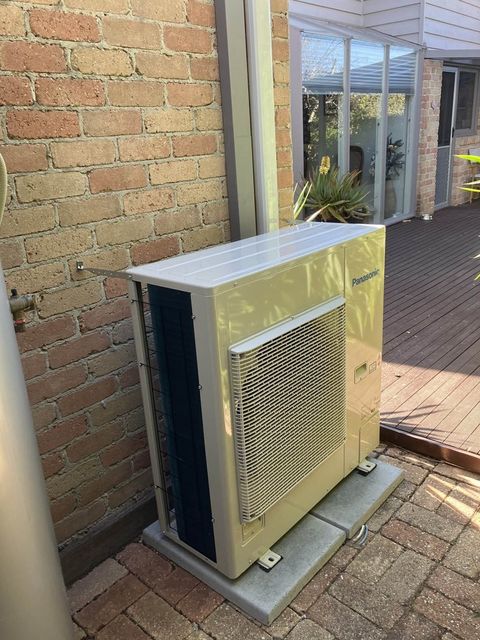
Outdoor units in apartment blocks often sit on balconies, roofs or plant areas. Tell the technician where yours is, and check whether building management needs notice.
Signs your system is overdue
- A musty smell at start-up, which Mitsubishi Electric links to dirt and mould inside the unit.
- Water dripping from the indoor unit, or a damp patch on the wall below it.
- A whistle or rattle. Samsung says whistling can be dust on the fan, and rattling often means loose panels.
- Rooms taking longer to cool than they used to.
- Rust on the outdoor unit's casing, fins or bracket.
What the service should cover
Daikin suggests a licensed technician gives the unit a tune-up at the start of summer, taking in the coils, the refrigerant charge, the electrical connections, the drains and any ductwork. In Coffs Harbour, add a proper clean inside the indoor unit, and a wash-down of the outdoor unit if your warranty asks for one.
The refrigerant check needs a technician with a full RAC01 licence. In NSW, servicing an air conditioning system also needs a state licence or certificate, so ask for the number when you book.
Your part in a humid climate
You can
- Clean the filters more often through summer. Daikin recommends at least monthly in summer, and every two weeks as a general rule.
- After a cooling session, run fan mode to dry out the indoor unit, as Mitsubishi Electric suggests.
- Keep sand, leaves and garden growth clear of the outdoor unit.
Leave to a licensed installer
- Cleaning the coil, fan and drain inside the indoor unit.
- Washing the outdoor coil without damaging the fins.
- Refrigerant and electrical checks.
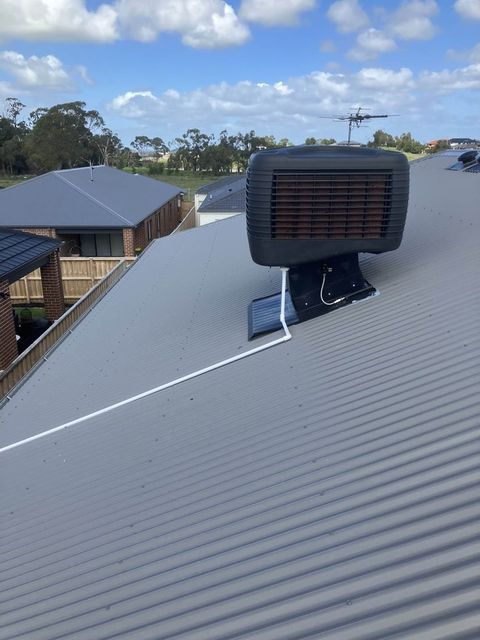
- Any unit on a roof or beyond comfortable ladder reach.
What we'd do
Our take
We'd book in September or October, before any November heat, and ask for the inside of the indoor unit to be cleaned, not just the filters. If we were near the water, we'd want the outdoor unit washed and its fixings checked at the same visit. A technician who services units in Coffs Harbour's humidity every week will know what to look for.