
Ballina, New South Wales
Heating and cooling in BallinaMostly cooling, and mostly about the moisture.
In Ballina, heating and cooling mostly means getting sticky summer air dry and comfortable, with some heating on winter nights. Summer dew points at the airport average 19.7 to 19.9 degrees, so a reverse cycle system sized properly for the room matters more than a big one. Townhouses are common here too, which brings neighbours and strata into the decision.
What shapes the job in Ballina
Sultry summers
At Ballina Byron Gateway Airport (1992 to 2024), January's mean daily maximum is 28.4 degrees. Afternoon relative humidity averages 67% in January and 68% in February, with mean dew points of 19.7 and 19.9 degrees. That's why a summer afternoon here feels heavier than the thermometer says.
Mild winters
July's mean daily minimum at the airport is 8.8 degrees, and the council area is shaded climate zone 2 on the building code map: warm humid summer, mild winter.
Heat that still spikes
The highest temperature recorded at the airport is 42.0 degrees, so a system needs some headroom even if most days are milder.
A lot of townhouses
At the 2021 Census, 20.7% of occupied dwellings in the Ballina council area were semi-detached, row or terrace houses or townhouses, about double Lismore's 9.9%. Separate houses made up 71.8% and flats or apartments 5.0%.
Why sizing matters more in sticky air
An air conditioner dries the air as it cools, which is most of what makes a Ballina summer bearable. It does that best when it runs steadily. Rinnai warns that an oversized system short cycles (turns on and off too often), dehumidifies less effectively and wears faster, while an undersized one never quite cools.
ActronAir adds that tropical and subtropical parts of Australia put much greater demands on a system than cooler regions. So the size needs working out from your room, its windows, insulation and which way it faces, not from the box on special. The size calculator gives a starting point before the installer measures up.
Townhouses, neighbours and strata
With a fifth of homes sharing walls, the outdoor unit's spot is often the hardest part. The ACT Government's guide says to weigh access for maintenance, noise reaching neighbours and fresh air getting to the unit, and to avoid enclosed courtyards.
NSW's Noise Control Regulation 2026 sets restricted hours for running air conditioners on residential property when the noise can be heard in a room of another home. In August 2026 the EPA said the strengthened rules extend the permitted hours and exempt air conditioners during severe or extreme heatwaves. Our noise guide goes further.
If your townhouse is in a strata scheme, NSW strata rules list installing a reverse cycle air conditioner as a minor renovation. You ask the owners corporation, and it needs more than 50% of the votes cast at a strata meeting, unless a by-law lets the strata committee consider it. Work that changes the building's outside or structure can be a major renovation needing a special resolution. See apartments and strata.
The jobs that come up most
Reverse cycle splits, one per room you actually use, are the simplest answer. A multi-split runs several indoor units from one outdoor unit, which can suit a townhouse with only one sensible spot for outdoor gear. Multi-head systems need a full RAC01 licence holder: the restricted RSS03 licence doesn't cover them.
If you're close to the beach, plan for salt air. Mitsubishi Electric's instructions warn against installing in salty places such as the seaside. Daikin's warranty card puts any extra corrosion protection needed in sea air on the owner. Our coastal homes guide explains what to ask.
NSW discounts and licences
Ballina households may be eligible for the NSW Energy Savings Scheme discount on an energy efficient air conditioner. The installer arranges it with an Accredited Certificate Provider before work starts, and those providers work independently of the NSW Government. Anyone advertising air conditioning work in NSW needs a contractor licence, and Service NSW's check lets you look an installer up.
What we'd do
Our take for Ballina
Get the size worked out from the room, and resist going bigger, because a right-sized system dries the air better. In a townhouse, settle the outdoor unit's spot with your neighbours and strata before you sign anything. Near the water, read the corrosion clause for the exact model quoted. Tell us what you need. Licence-checked installers around Ballina who specialise in that job will see it, and we release your contact details only to the one who takes it. If nobody near Ballina takes it within 48 hours, installers elsewhere in New South Wales may see it too.
What this work looks like
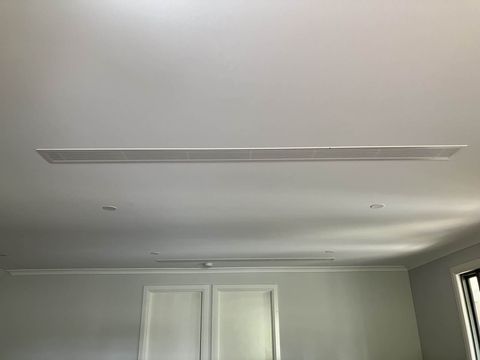
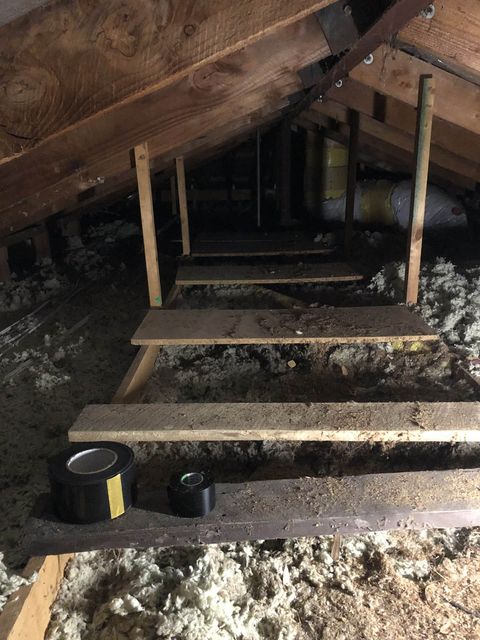
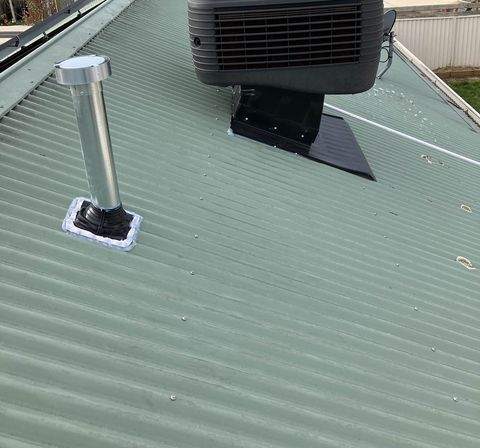
Photos from real jobs in Melbourne, to show what the work looks like. They aren't from an installer near you.
Questions people ask
Why does my aircon leave the room feeling clammy?
Do I need strata approval for a split in my Ballina townhouse?
Is reverse cycle enough for heating in Ballina?
Is evaporative cooling an option in Ballina?
Can I get the ESS discount in Ballina?
Ready for the right installer to take a look in Ballina?
Your postcode and three quick questions. Licence-checked local installers who specialise in your kind of job see it, and the one who takes it gets in touch to quote.
Read next
- 01Air conditioner size calculatorA rough kW size from your room's measurements, and what that number leaves out.
- 02Apartments, units and strata approvalBody corporate approval, outdoor unit spots, pipe routes and noise rules for apartments.
- 03Aircon noise rules and neighboursQuiet hours, decibel limits by state, and how to place an outdoor unit so the neighbours don't notice.
- 04Multi-split systemsOne outdoor unit, several rooms: when a multi-split fits, and the trade-offs to know.
- 05Air conditioning near the coastSalt, coil coatings, warranty fine print and where the outdoor unit should go near the sea.
- 06NSW Energy Savings SchemeHow the ESS discount works on a new or replacement air conditioner, and what's left out.
Where this information comes from
- Wikipedia Ballina, New South Wales, 28 October 2026
- Australian Building Codes Board Climate zone map: New South Wales and Australian Capital Territory (release Sep 2019, version VC00031.3, developed from a map from the Bureau of Meteorology), 28 October 2026
- Australian Bureau of Statistics 2021 Census QuickStats: Ballina (LGA10250), 28 October 2026
- Australian Bureau of Statistics 2021 Census QuickStats: Lismore (LGA14850), 28 October 2026
- NSW Government (NSW Climate and Energy Action) Air conditioner upgrade incentive (Energy Savings Scheme), 28 October 2026
- NSW Government Renovation rules (strata living), 22 June 2026
- Rinnai Australia Ultimate split system air conditioner size guide, 28 October 2026
- ActronAir What size air conditioner do I need?, 28 October 2026
- ACT Government, Sustainable Household Scheme Heating and cooling your home: a guide to reverse cycle systems (PDF), 27 March 2023
- Mitsubishi Electric Australia Split-type air conditioners, indoor unit MSZ-AS90VGD, operating instructions (PDF), 26 October 2020
- Daikin Australia Warranty card (linked from daikin.com.au/support/warranty), 5 March 2026
- Seeley International Reverse cycle vs evaporative cooling: what works best in Australian homes?, 28 October 2026
- NSW Environment Protection Authority Protection of the Environment Operations (Noise Control) Regulation 2026, 28 October 2026
- NSW Environment Protection Authority Neighbourhood noise laws strengthened (media release), 31 August 2026
- Australian Refrigeration Council Fact Sheet 13: Who can do what, with Split System Air Conditioners (ARC5919/JVD/0726), 28 October 2026
- NSW Government (Energy NSW) Air conditioner upgrade incentive, 6 February 2026
- NSW Government Building trade advertisements, 28 October 2026
- Service NSW Check a builder or tradesperson licence, 15 August 2025
- Blufire Pty Ltd Blufire's lead engine rules (supplied 29 October 2026) and Privacy Policy, 29 October 2026
We don't publish prices. Every home is different, so an installer's written quote is the only real number. How we write and check these pages.