Why Tamworth is hard on a system
Long, hot summers
The Tamworth Airport table gives a January mean maximum of 32.9 degrees, and temperatures exceed 35 degrees on around 20 to 25 days a year. The record, 45.9 degrees, came in the heatwave of 12 February 2017.
Then severe frosts
July's mean daily minimum is 2.2 degrees, frosts are frequent and often severe, and the record low is minus 6.6. A reverse cycle system that's been cooling all summer then has to heat through that.
Hot dry summer, cool winter
That's how the building code describes climate zone 4, where it lists Tamworth. Both seasons count here.
What heat does to an overdue system
On the hottest days a system is already near its limit. ActronAir says an air conditioner loses cooling capacity above 35 degrees, so a dirty coil or a slow refrigerant leak tends to show up on exactly the afternoon you need it most. In a town that hit 45.9 degrees in February 2017, that's the afternoon to plan for.
What frost does, and what's normal
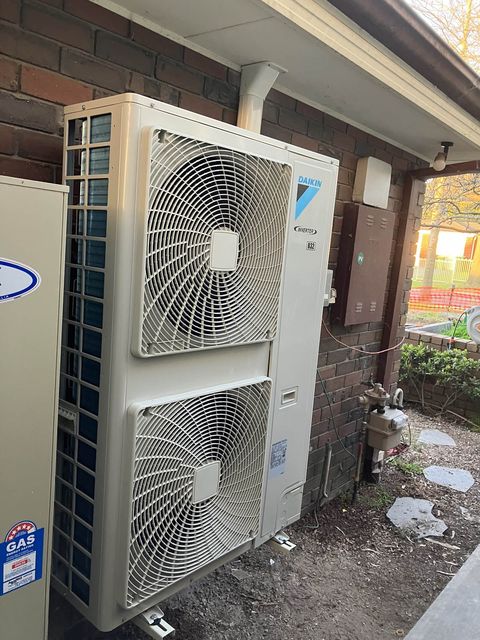
In heating, frost forms on the outdoor unit when it's cold and damp outside. Mitsubishi Electric says the unit then stops for up to 10 minutes to defrost, and the white vapour you may see is just that. Water dripping from the outdoor unit in heating is normal too.
What isn't normal is ice that builds up and never clears, a breaker that trips often, or heating that's weak once the defrost has finished. Mitsubishi Electric says to stop using the unit and call for help when the breaker trips frequently. Those are jobs for an air conditioning repair, not a wait-and-see.
What a two-season Tamworth service should cover
- Filters, coil and indoor fan cleaned on every indoor unit.
- The outdoor unit's coil and casing cleared, and the space around it checked for airflow.
- Electrical connections tightened and controls tested.
- The refrigerant charge checked by a full RAC01 licence holder, with any leak found and repaired, never topped up.
- A test run in cooling and in heating, whatever the season.
- On a ducted system, the return air filter, the zones and a look at the ducts.
What makes it bigger or smaller
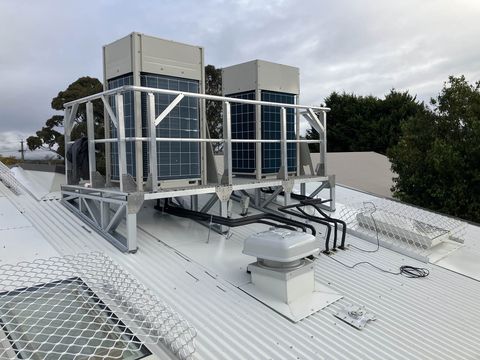
The number of indoor units matters most. A ducted system in one of Tamworth's many separate houses means a roof space, a return air filter and zone dampers, which take longer than a single wall split. Any fault found should come back to you in writing as a separate item.
Your part, and the technician's
You can
- Clean or change the filters monthly through summer, as Daikin suggests, or as your manual says.
- Keep grass clippings, leaves and stored gear away from the outdoor unit.
- Leave frost on the outdoor unit alone. Never chip ice off the coil.
- Write down any new noise, smell or weak heating, and when it happens.
Leave to a licensed installer
- Opening the indoor and outdoor units to clean the coils.
- Any refrigerant check, leak search or repair.
- Electrical connections and controls.
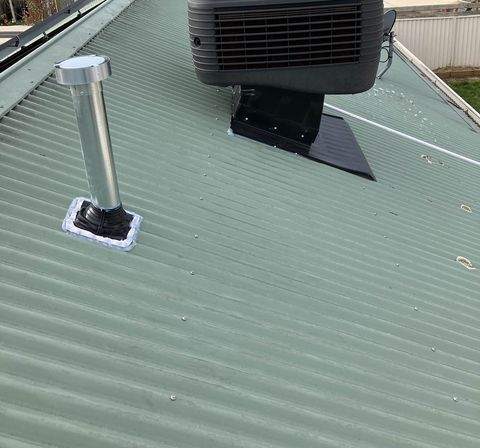
- Ducts, dampers and anything in the roof space.
Questions to ask a Tamworth technician
- Will you test heating as well as cooling on this visit?
- Do you hold an RAC01 licence, and what's your RTA number?
- What's your NSW licence for air conditioning work?
- How did the outdoor unit look, and is anything restricting its airflow?
- If you find a fault, will you put it in writing before doing anything?
What we'd do
Our take for Tamworth
Book one service a year in spring, ask for both cooling and heating to be tested, and keep the filters clean monthly through summer. If the heating has been weak or the breaker trips, say so when you book, so the right person comes. A technician who services reverse cycle systems through Tamworth summers and frosts will know what to look for. Read our national service guide for the full list, or go back to heating and cooling in Tamworth.