What sets the Hills apart
Height brings the cold
The Mount Lofty station (685 m, 1991 to 2020) averages a July low of 5.0 degrees and a January high of 22.5, and the summit is the most common place for snow in South Australia.
Frost sits in the valleys
Frosts are common in Hills valleys and rare on the plains, so homes down in the valleys tend to lean on their heating hardest.
Houses on bigger blocks
At the 2021 Census, 95.9% of occupied homes in the Adelaide Hills Council area were separate houses, averaging 3.4 bedrooms. Only 10.6% were rented, and 40.6% were owned outright.
One region, more than one council
Adelaide Hills Council covers 795.08 km2 and was formed in 1997 from the East Torrens, Gumeracha, Onkaparinga and Stirling councils. Mount Barker, the region's largest town, has its own district council, and Hahndorf and Lobethal began as German settlements.
Which jobs come up in the Hills, and why
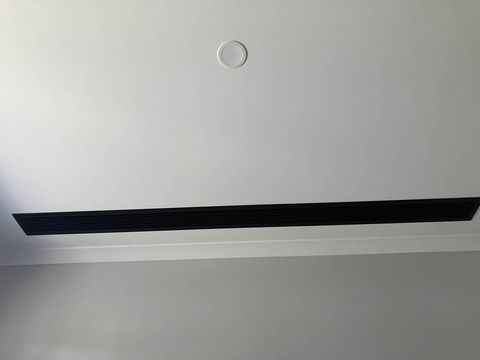
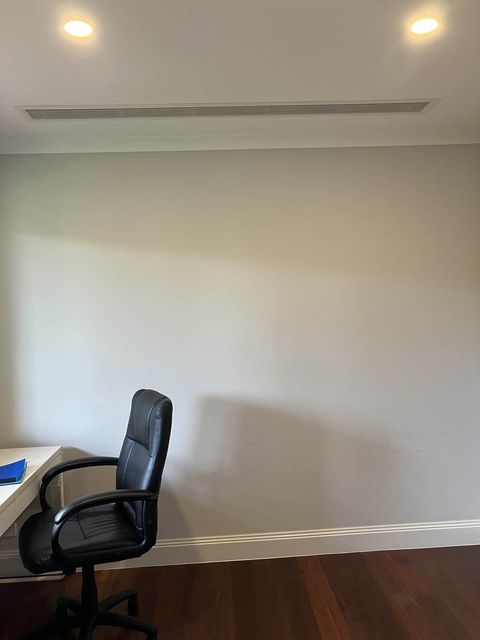
Heating the whole house. In a three or four bedroom home on a cold ridge, a single split in the lounge leaves the bedrooms behind. The ACT Government's guide suggests ducted or multi-head systems for houses above 180 sqm, and multi-split systems suit homes where only some rooms need it.
Steady, quiet warmth. Some Hills households want heat without moving air. Hydronic heating in Adelaide runs hot water through panels or the floor, and it makes most sense where the cold lasts.
Ageing heaters. Older gas or bottled gas heaters need a licensed gasfitter at least every two years, Better Health says. Our page on gas heater servicing in Adelaide covers the carbon monoxide checks.
Local pages go deeper for Stirling and Mount Barker.
Questions to ask a Hills installer
- What's this unit's heating capacity at 2 degrees, and is that enough for my coldest room?
- Will you do a heat load calculation for this house, or are you sizing by floor area?
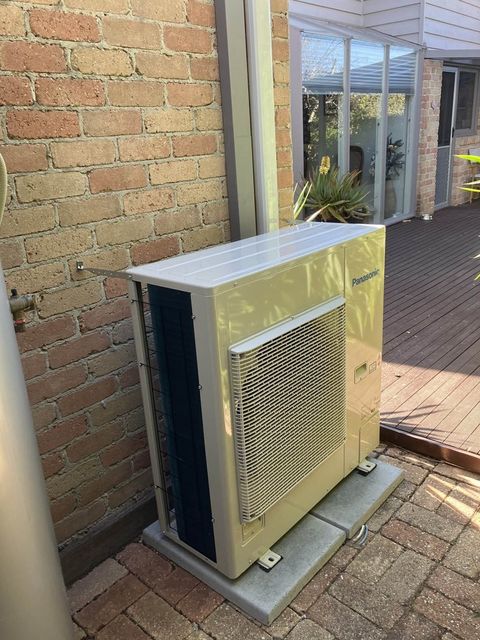
- Where will the outdoor unit go, and where will its water drain in winter?
- For ducted work, will the ducts carry at least R1.5 insulation?
- What's your ARC licence number, and what's your RTA number?
What we'd do
Where we'd start
In a Hills house we'd get the heating right before anything else. That means a heat load calculation rather than a guess from the plains, a system judged on its output at 2 degrees, and well-insulated ducts if you go ducted. Cooling then comes along with the same reverse cycle unit for the few hot days you get.
Send us the job and your postcode. Local installers who do this kind of heating work, and whose licences we've checked, can see it, and only the one who picks it up gets your contact details. Some Hills postcodes may not have anyone yet. If nobody up in the Hills takes it within 48 hours, installers elsewhere in South Australia may see it too.