What makes Fremantle different
The West End
The West End became a State Registered Place on 18 July 2017: more than 250 buildings over about 20 hectares, mostly from the late 1800s and early 1900s and two to three storeys high. It covers roughly half of the wider West End Conservation Area.
Water on two sides
Fremantle sits at the mouth of the Swan River, with the river to the north and north-west and the Indian Ocean to the west. The GAA's corrosion guide rates the first 200 m back from surf beaches C5, its harshest band.
The Doctor
The sea breeze that takes the city's name usually arrives between noon and 3 pm, and Fremantle is generally a few degrees cooler than Perth in summer. That keeps cooling loads down, but it's also the wind that carries salt onto outdoor units.
Apartments, terraces and renters
At the 2021 Census, 27.4% of homes were flats or apartments and 32.1% townhouses, terraces or semis. 41.5% were rented.
Getting an outdoor unit approved on an old building
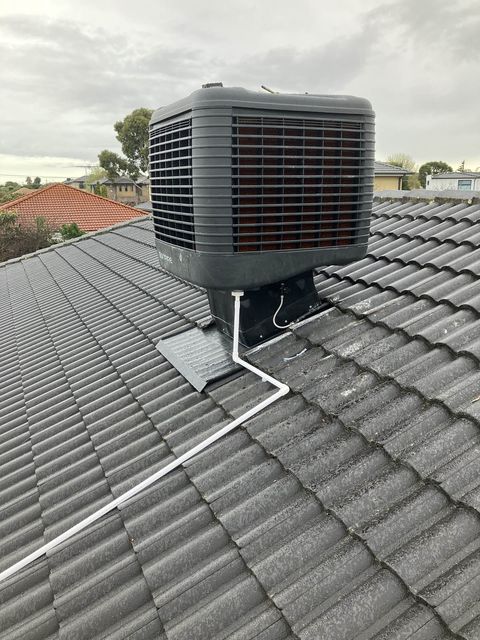
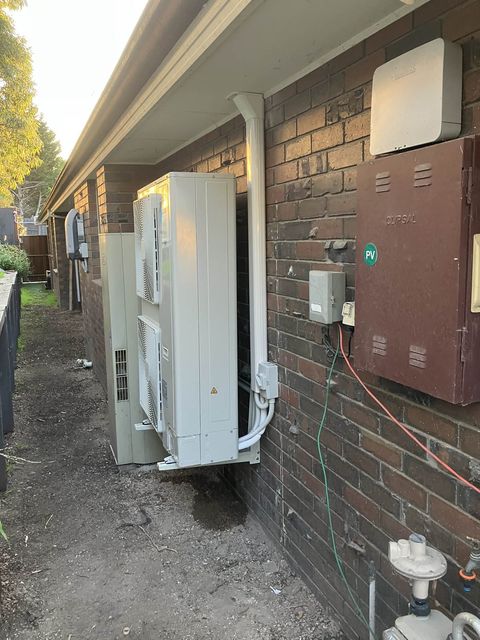
On a heritage-listed building, or in the West End, talk to the City of Fremantle before booking an install. Units, pipe runs and roof coolers that can be seen from the street are the usual sticking point. Rear walls, courtyards and low roofs behind a parapet are where installers tend to look first, as long as the unit still gets air.
In apartments and terraces under strata, the by-laws apply too. Get the strata's written approval for anything on a balcony, roof or outside wall. Our apartments and strata page lists what to ask.
If you rent, which is common here, the owner has to agree before anything is fixed to the building.
Salt, and how to live with it
Daikin says all its outdoor coils carry its Blue Fin anti-corrosion treatment, and still calls maintenance and positioning essential. Its warranty card leaves extra corrosion protection in sea air to the owner. In practice: ask what coastal protection a model has, keep the unit out of direct spray if you can, and have it serviced every year. Our coastal homes guide and Perth servicing page go into it.
What we'd do
Our take for Fremantle
We'd sort the approval before the system: heritage first, then strata. A reverse cycle split or multi-head system with the outdoor unit on a rear wall is usually the least intrusive fit for an old building, and it heats in winter too. We'd ask for coastal protection on the coil and use an installer who's worked on Fremantle's older buildings before.