Why Newcastle systems break down when they do
The westerly days
Hot west to north-westerly winds can take Newcastle well past 40 degrees, and the university station's record is 44.9. Mitsubishi Electric says cooling may not be enough when it's very hot outside, so a struggling unit on those afternoons isn't always a broken one.
Salt near Nobbys
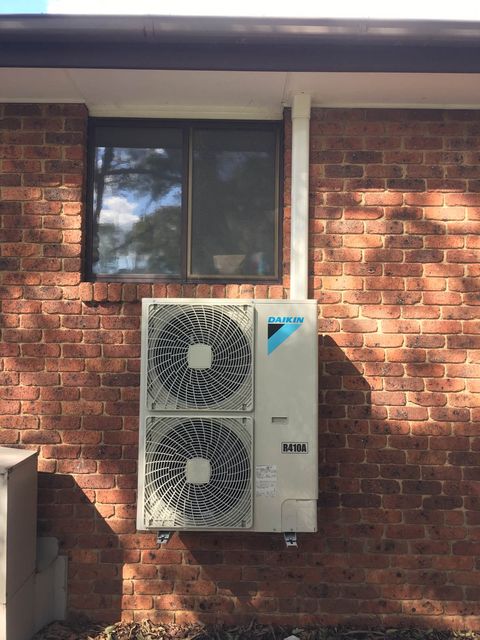
Outdoor units close to the coast take a beating from sea air. Mitsubishi Electric's warranty card doesn't cover damage to paintwork, metalwork or trims caused by salt, so corrosion on the casing may be yours to deal with rather than the brand's.
Muggy February air
Afternoon humidity at Nobbys averages 77% in February. Damp air plus a dirty filter means condensation inside the indoor unit, which Mitsubishi Electric links to drips, smells and mould.
Units out of reach
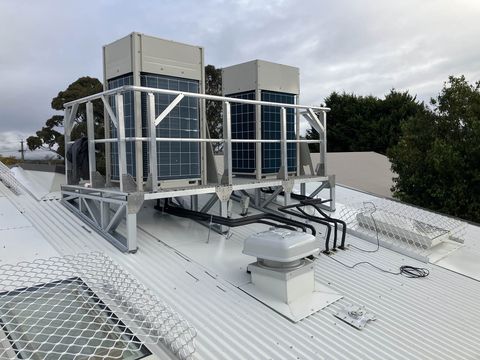
With 14.2% of Newcastle homes in flats or apartments, plenty of outdoor units sit on balconies, roofs or plant decks. Tell the repairer exactly where yours is, and check whether your building needs notice before anyone goes up.
Three checks for a hot Newcastle afternoon
Try it again once the heat drops
If it cools properly in the evening but not at 3pm on a 40-degree day, the unit may be too small for westerly heat rather than faulty. That's a sizing conversation, not a repair.
Clear and look at the outdoor unit
Pull back anything stacked against it and sweep away leaves. Daikin says debris around the outdoor unit makes it run less efficiently. Look from the ground for rust or flaking paint, but leave the panels on.
Check the breaker, filters and display
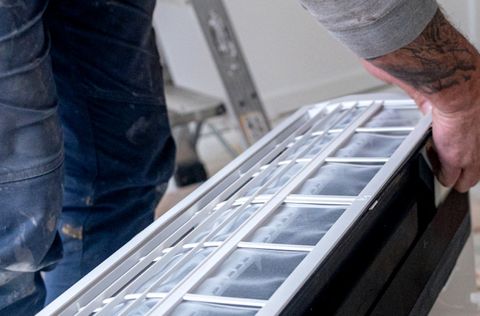
A tripped breaker, a clogged filter or an error code tells the technician a lot, so write the code down. If the breaker keeps tripping, leave it off: Mitsubishi Electric says to stop using the unit and get it checked.
What makes a Newcastle repair bigger or smaller
A blocked drain, a dirty coil or a failed sensor is usually a single visit. Corrosion is the wildcard near the coast. A rusted bracket is a small fix, but corrosion that has worked through the outdoor coil is a much bigger job, and that's the moment to get a replacement quote alongside the repair.
Low refrigerant means a leak somewhere. The ARC says topping up before the system is fully tested and every leak repaired is illegal, so a proper repair finds and fixes the leak first. If the unit is getting on, our repair or replace quiz helps you make that call.
What to ask a Newcastle repairer
- Is this a fault, or is the system too small for our westerly days?
- Is there corrosion on the coil, casing or brackets, and does my warranty cover any of it?
- Does the fix touch the refrigerant, and do you hold a full RAC01 licence?
- Which NSW licence covers your air conditioning work, and does it include the electrical side?
- Will your RTA number be on the quote and the invoice?
What we'd do
If it were our home
We'd do the evening test first. If the unit copes once the westerly eases, we'd talk to an installer about sizing rather than pay for a repair. If it fails at night as well, or it's dripping, tripping or making a new noise, we'd book a repair technician who works on that brand, and ask them to look for salt damage while the covers are off.