What makes the mountains different
A ribbon of towns at different heights
The city is a chain of towns along the railway and Great Western Highway between Emu Plains and Lithgow, grouped into the lower, mid and upper mountains. Major settlements include Katoomba, Lawson, Springwood and Blaxland.
Cold up top
At Katoomba (Farnells Road, 1991 to 2020), July nights average 2.9 degrees and the record low is minus 5.6. Clear winter nights sit around minus 1, and winter days around 10 to 11 degrees.
Snow, but not everywhere
The upper mountains get two or three snowfalls a year. Snow is extremely rare below Lawson.
Mild summers at the top
Katoomba's January days average 24.2 degrees, so cooling is a smaller job up high than on the plains.
Houses, mostly owned
In the Blue Mountains council area, 92.1% of occupied homes were separate houses at the 2021 Census and 39.8% had four or more bedrooms. Only 17.8% were rented.
Heating a mountains house
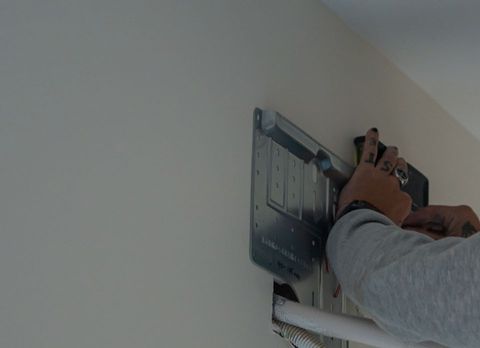
Reverse cycle. The ACT Government says a reverse cycle air conditioner turns each unit of electricity into 3 to 6 units of heat. For an upper-mountains house, compare models on the heating capacity at 2 degrees on the energy label, the colder of its two test points. Expect the unit to pause for up to 10 minutes on cold, damp mornings while the outdoor unit defrosts, which Mitsubishi Electric says is normal.
Gas heaters. If you heat with gas, have it serviced at least every two years by a licensed gasfitter, and straight away if the flame turns yellow or sooty. Book in autumn, before the long season starts. See gas heater service in Sydney.
Hydronic. For a house that's cold for months, hydronic heating is worth pricing. The ACT Government says it can zone heating down to a single room.
Smell gas near a heater?
Turn the gas off at the meter or cylinder only if it's safe. Put out flames, don't use electrical switches or devices, open doors and windows, and keep people away. Call the emergency number on your gas bill, or 000 if there's a fire. Carbon monoxide has no smell, so a carbon monoxide alarm is a back-up, never a substitute for servicing.
What we'd do
If it were our mountains home
We'd size the heating for our own town: a Katoomba or Blackheath house usually needs more heating than one in the lower mountains. We'd ask for the heating output at 2 degrees in writing, service any gas heater every autumn it's due, and think about zoning so we're only heating the rooms in use. Tell us the job and licence-checked installers who work in the mountains can see it. Only the one who takes it gets your details, and if nobody in the mountains has taken it after 48 hours, installers elsewhere in NSW may see it as well.