Sydney facts for a hydronic decision
Where the cold is
Richmond averages 38 nights a year below 2 degrees and Camden Airport's July mean minimum is 3.0, while AdaptNSW says the upper Blue Mountains typically has more than 70 nights below 2. Observatory Hill's July mean minimum, for comparison, is 8.9.
Summer still needs cooling
Hydronic is mainly a heating system. With Penrith averaging 67 days a year above 30 degrees, a western Sydney house with hydronic will almost always want reverse cycle as well.
Gas or heat pump
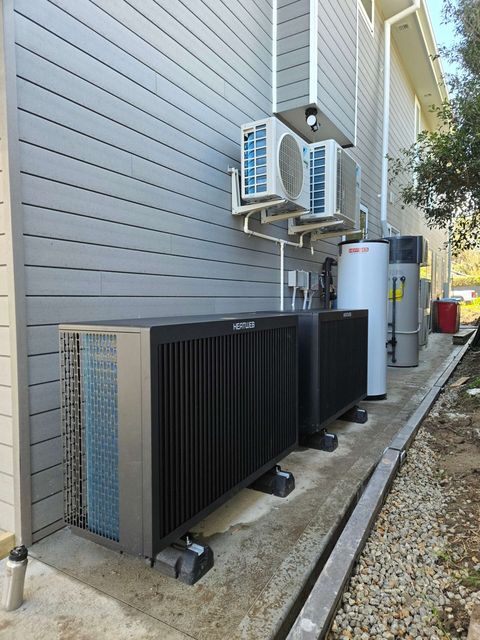
The ACT Government says most hydronic systems are gas-fired, and Sydney's mains gas comes through Jemena's network. Solar Victoria describes the alternative, a heat pump that turns heat from the outside air into hot water, running on electricity.
No ESS for a gas boiler
The ESS Rule excludes gas fired hot water boilers installed from 1 July 2026, so don't plan a gas hydronic system around a NSW discount.
Does hydronic suit your Sydney home?
It suits a house you'll heat for months, where gentle, even warmth matters. Solar Victoria says hydronic can suit people with asthma or respiratory problems, and the ACT Government says it can be zoned down to a single room.
It suits much less where heating is a few weeks a year. In most eastern suburbs, a reverse cycle system heats and cools from one installation, so we'd look at ducted in Sydney or splits first.
What makes a Sydney hydronic job bigger or smaller
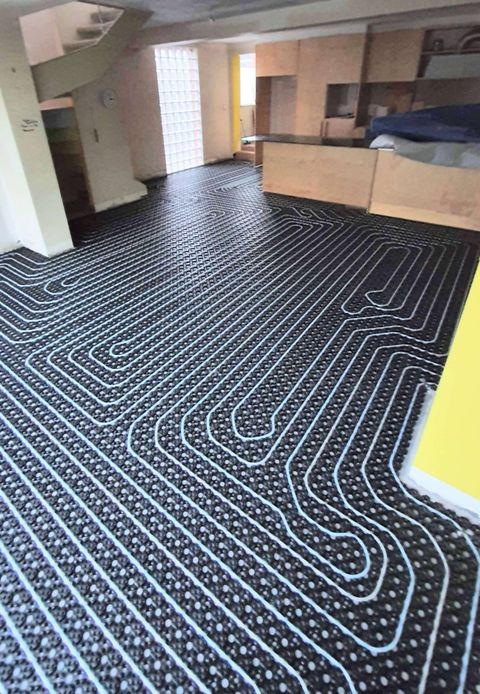
Panels or underfloor. Wall panels can go into a home you live in. Underfloor is far easier during a new build, an extension or a re-floor.
The floor. A raised floor with space underneath makes pipe runs easier than a slab, where pipes have to go through walls and ceilings.
The heat source. A heat pump adds an outdoor unit and electrical work, and any refrigerant work on it needs an ARC licence.
Strata. NSW strata rules list a heat pump installation as a minor renovation, so in a strata scheme it needs a vote first.
The national hydronic heating page explains how a system is designed and fitted.
Ask a Sydney hydronic installer
- How did you size each panel for this house's coldest nights?
- For this house and a Sydney winter, would you put in a gas boiler or a heat pump, and what's the reason?
- Who does the gasfitting, plumbing and electrical work, and which NSW licences do they hold?
- What will I use for cooling, and does it sit well alongside this system?
- How often will the boiler or heat pump need servicing?
Your side, and the installer's
You can
- Note which rooms you heat, and for how many months.
- Check whether the house has mains gas.
- Once it's in, keep couches and long curtains off the panels.
Leave to a licensed installer
- The room-by-room heat loss design.
- Gasfitting, plumbing and electrical work.
- Any refrigerant work on a heat pump.
What we'd do
If it were our Sydney home
Out west or up the mountains, with a long heating season, we'd have a hydronic specialist design it room by room and we'd lean towards a heat pump, since a new gas boiler gets no ESS help. Closer to the coast, we'd usually choose reverse cycle instead, because it also cools. If you're set on hydronic, send us the job: licence-checked installers who do hydronic work and cover your suburb will see it, and if none takes it within 48 hours, installers elsewhere in NSW may see it too.