Why hydronic suits Canberra, and what's changed
Long, deep winters
The Canberra Airport Comparison station's July mean minimum is 0.3 degrees, and frosts in 2006 ran from 12 April to 17 November. Hydronic is built for heating that runs for months, not weeks.
Mostly houses
At the 2021 Census, 63.2% of ACT homes were separate houses. Pipe runs are simplest where there's room under the floor.
The gas rules
New gas network connections have been prevented in ACT residential zones since 8 December 2023, and the ACT plans to phase out fossil fuel gas by 2045. A home without gas now can't be connected for a new gas boiler.
Wood is out
The ACT Government lists wood among possible hydronic heat sources, but it also says wood-fired heaters pollute and aren't recommended.
Gas boiler or heat pump in Canberra?
If you already have gas and a healthy boiler, it can be serviced and kept running. But the ACT expects parts of the gas network to close from the mid-2030s, so a brand new gas boiler is a bet on a network that's being wound down.
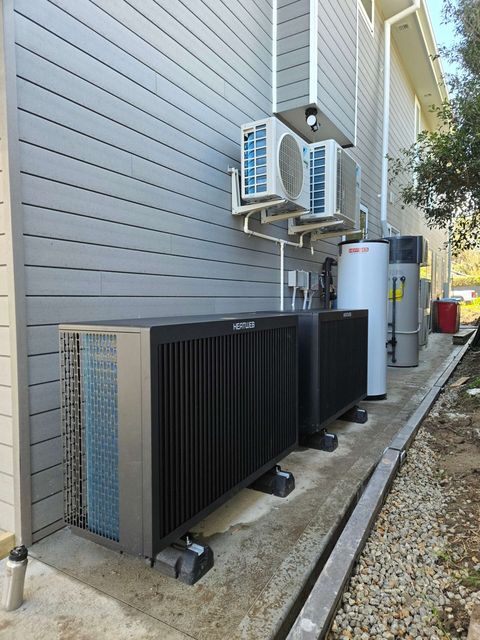
A heat pump hydronic system, as Solar Victoria describes it, takes heat from the outside air and turns it into hot water for the house. It runs on electricity, which the ACT Government says comes from 100% renewable sources in the territory.
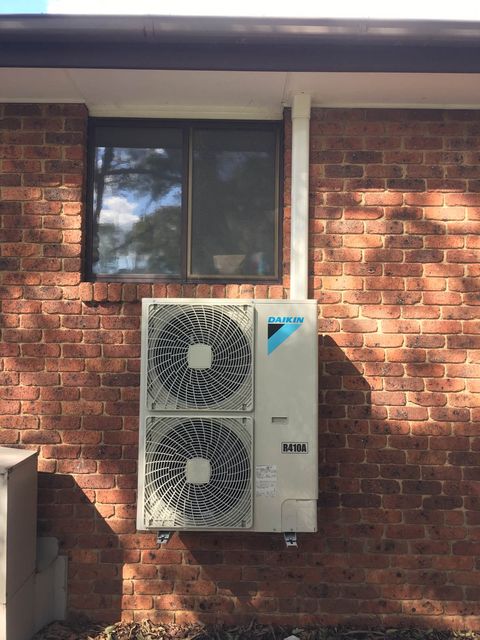
The heat pump's outdoor unit has to keep working on frosty mornings, so ask how the model you're quoted performs in the cold, and where it will sit.
Older homes: the pipes go where the asbestos was
Hydronic pipes run through subfloors and wall cavities, which is exactly where Mr Fluffy loose-fill asbestos fibres stayed in affected Canberra homes. More than 1000 houses were insulated with it between 1968 and 1978-79. Check for the safety tag at the meter box and switchboard before anyone quotes, and don't open up walls or crawl under the floor yourself.
What makes a Canberra hydronic job bigger or smaller
Rooms and access drive most of it. Open subfloor access makes pipe runs straightforward, while a slab or a second storey means working through walls and ceilings.
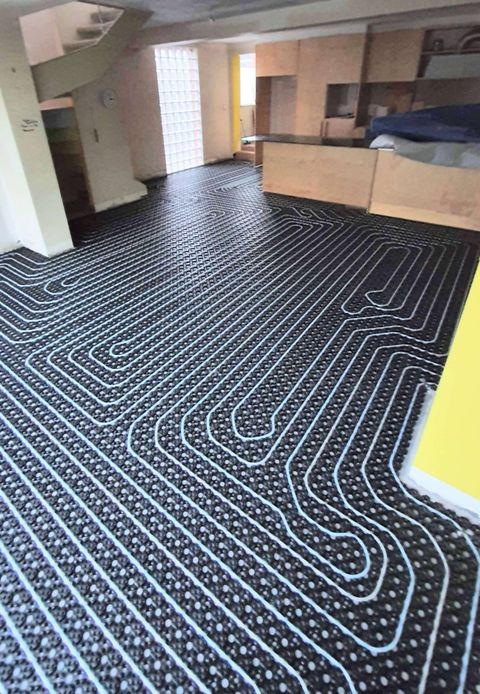
Underfloor heating in a finished home means lifting or building up floors, so it suits a renovation or a new build. Wall panels go into an existing house far more easily. Pipe insulation matters too: Solar Victoria flags it as key to keeping a hydronic system efficient.
A heat pump adds an outdoor unit and electrical work, and in the ACT any new low voltage wiring needs an unrestricted electrical licence. Plumbers and gasfitters need ACT licences too, all on Access Canberra's public registers.
Zoning pays off over a long winter. The ACT Government says hydronic can let you zone your heating down to a single room, so spare bedrooms aren't heated for months.
Questions to ask a Canberra hydronic installer
- Which heat source would you use in this house, and why?
- How does that heat pump perform on a frosty morning?
- How did you size each panel or floor loop?
- Where will the pipes run, and how will they be insulated?
- Who does the plumbing, gasfitting and electrical work, and are they on Access Canberra's registers?
- Have you checked whether this is a Mr Fluffy house?
What we'd do
How we'd approach it
We'd settle the heat source before anything else. With no new gas connections and the network expected to shrink, we'd lean towards a heat pump for a new system in Canberra, and keep an existing gas boiler only while it's healthy and serviced. Then we'd ask a hydronic specialist for a room-by-room heat loss design, and check the meter box for a Mr Fluffy tag before a single pipe goes under the floor.