What's different about Clyde
A growth area
The Victorian Planning Authority's Clyde Creek plan, gazetted in November 2014, runs from Hardys Road south to Ballarto Road and will ultimately provide 13,900 new homes.
Big houses, young families
66.6% of Clyde's occupied homes had four or more bedrooms at the 2021 Census and 29.5% had three. 68.0% were owned with a mortgage and 23.3% rented.
The gas cut-off dates
Australian Gas Networks says developments whose permit applications were lodged before 1 January 2024 can still connect to gas. Once 2027 arrives, every new home in Victoria goes up all electric.
Casey, 3978
Clyde is about 48 km south-east of the CBD in the City of Casey, and was once part of the former City of Cranbourne.
Heating and cooling a new Clyde home
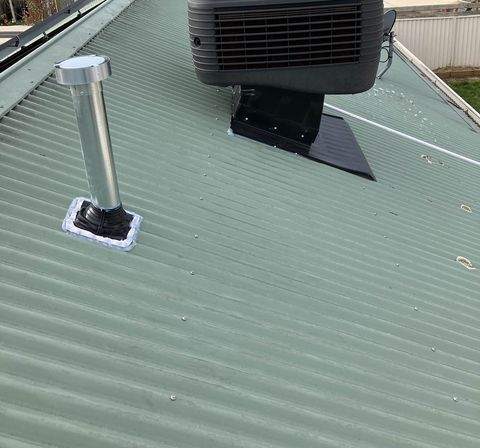
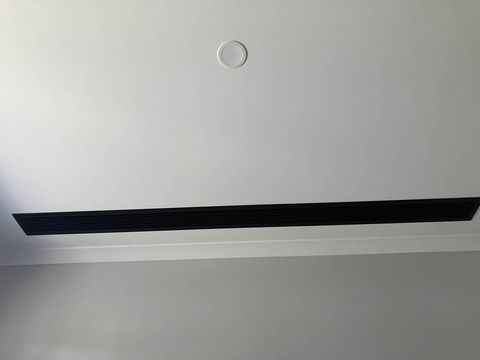
All-electric means reverse cycle. In a four-bedroom house with no gas, ducted reverse cycle is the obvious whole-house option. Solar Victoria says ducted systems suit larger homes, with vents in many rooms linked to one central unit. See ducted air conditioning in Melbourne.
Insulated ducts. The ACT Government guide recommends at least R1.5 insulation on ducting, and says to mention it to your supplier because they may not provide it by default. Ask for the duct rating in writing.
Zones from day one. Separate the sleeping and living areas, as Daikin's own two-zone example does, so nobody heats empty bedrooms at dinner time. Our zoning and controllers page explains the choices.
Power supply. The ACT Government guide says ducted or multi-head units in a large house may need an upgrade to 3-phase power. In a new build, that's far simpler to sort before handover than after.
Already moved in?
If the system that came with the house struggles on a cold July night or a hot January afternoon, don't just add a split to the coldest room. Have a heat load done for the whole house first, then decide whether the system needs more capacity, better zoning or simply a service. You're welcome to send us the job whichever way it goes.
What we'd do
Where we'd start in Clyde
If you're still building, settle the heating and cooling before the plasterboard goes up: duct runs, the outdoor unit's spot, zones and the power supply. If you've moved in and the system struggles, ask an installer who specialises in ducted reverse cycle for a heat load before adding anything.