What changes an install in Melbourne
The type of home decides a lot
At the 2021 Census, Greater Melbourne's occupied homes were 67.8% separate houses, 16.2% semi-detached, terraces or townhouses, and 15.6% flats or apartments. A detached house can take almost any system. A flat or a terrace narrows the choice quickly.
Apartments and towers
The central city, Southbank and Docklands have filled with high-rise apartments since the 2000s. Consumer Affairs Victoria notes centralised building systems are common in apartments, and lists owners corporation rules and no room for an outdoor unit among the reasons a rental can be exempt from the new standards. Talk to the building before collecting quotes.
Heritage streets
Albert Park, Fitzroy, Carlton, Parkville and East Melbourne are under strict heritage overlays. Their 1850s to 1890s terraces were designed to hide the roof behind a decorative parapet, so where an outdoor unit can go is worth settling first.
Winter nights set the size
July nights average 5.8 degrees at Melbourne Airport on Bureau of Meteorology figures, and the energy label puts Melbourne in the cold zone. A system sized only for a January afternoon can leave a Melbourne bedroom cold in July.
Which system suits which Melbourne home?
An apartment, or one room: a reverse cycle split. See split system installation in Melbourne.
Three or four rooms in a terrace or townhouse: a multi-split runs several indoor units from one outdoor unit, which helps where outdoor space is tight.
A house with gas ducted heating that still works: keep the heater, and either put splits in the rooms that overheat or ask whether add-on cooling suits it.
A whole house with no ducts, or a gas heater at the end of its life: ducted air conditioning heats and cools every room from one system.
Mitsubishi Electric calls a professional heat load calculation essential. In Melbourne, ask for it to cover a July night as well as a January afternoon. Our national air conditioning installation page walks through how the job runs.
Paperwork to expect in Victoria
- An Energy Safe Victoria Certificate of Electrical Safety.
- A plumbing compliance certificate. Installing a reverse cycle system in Victoria is plumbing work that needs Building and Plumbing Commission registration.
- The installer's Refrigerant Trading Authorisation number, starting with AU, on the quote and invoice.
- The right ARC licence: RSS03 covers single-head splits under 18kW only, so a multi-split or a bigger system needs an RAC01 holder.
- The warranty registration, if the brand asks for it.
Before the installer visits, and after
You can
- Note the rooms that are coldest in July and hottest in January.
- Photograph the switchboard and the outside walls where units could go.
- In an apartment, ask the owners corporation what's allowed before anyone quotes.
- In a heritage overlay street, ask your council about units on street-facing walls or roofs.
Leave to a licensed installer
- The heat load and the model choice.
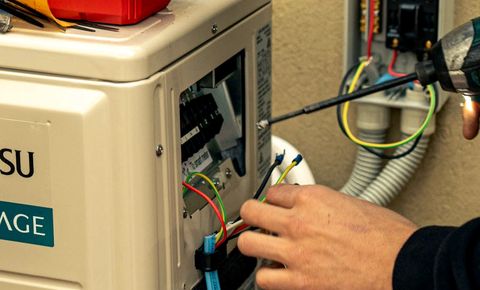
- Refrigerant pipework, leak testing and commissioning.
- New circuits and switchboard work, by a licensed electrician.
- Issuing the compliance certificates.
Questions to ask a Melbourne installer
- How much heating will this deliver on a cold July morning, not just the rated kW?
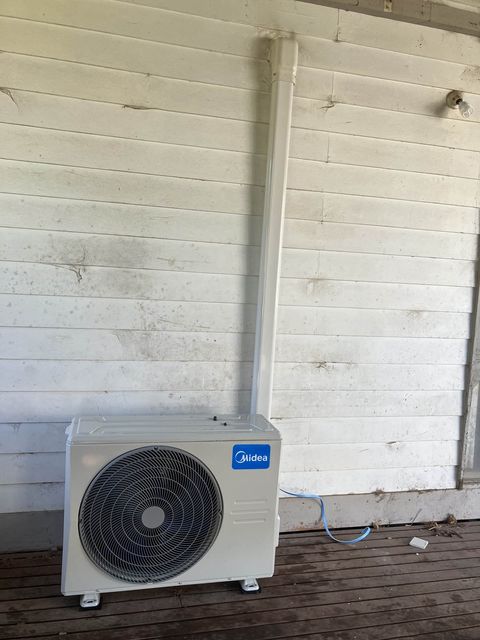
- Where will the outdoor unit go, and is that allowed under our building or heritage rules?
- Are you registered with the Building and Plumbing Commission, and who does the electrical work?
- Will I get both the Certificate of Electrical Safety and the plumbing compliance certificate?
- Have you done owners corporation approvals for an apartment before?
What we'd do
Our take on a Melbourne install
Start with winter: pick the system that heats the rooms you actually use in July, then check it copes with a hot January afternoon. Settle where the outdoor unit can go before comparing models, especially in a flat or a heritage street. Then give the job to a specialist in that kind of install, and if you're asked to sign at the kitchen table, remember a 10 business day cooling-off period can still apply.