Why hydronic fits Melbourne, and where it gets harder
A long heating season
The ACT Government's example energy label puts Melbourne in the cold zone, and July nights average 7.3 degrees at Olympic Park and 5.8 at Melbourne Airport on Bureau of Meteorology figures. That's the kind of winter where hydronic earns its keep.
Days that barely warm up in the hills
At Mount Dandenong, a July day averages a top of just 8.2 degrees. When the heating runs from morning to night, a hydronic system's slow, even warmth suits the way the house is used.
Gas, if you already have it
DEECA says existing homes don't have to move gas space heating to electric, and Victoria's 2027 rule on replacing gas appliances covers water heaters, not space heaters. But from 1 January 2027, connecting gas to a building under construction, or to one that doesn't have it, is prohibited.
Heritage streets and terraces
Albert Park, Fitzroy, Carlton, Parkville and East Melbourne are under strict heritage overlays. Hydronic puts nothing on the roof, but the boiler or heat pump still goes outside or in a laundry, so ask early where it can sit.
Gas boiler or heat pump, in Melbourne terms
A gas boiler suits an existing home that's already on mains gas. Treat it like any gas heater: Energy Safe Victoria counts central heating units among the gas appliances that can spill carbon monoxide, and wants them serviced by a qualified gasfitter at least every two years.
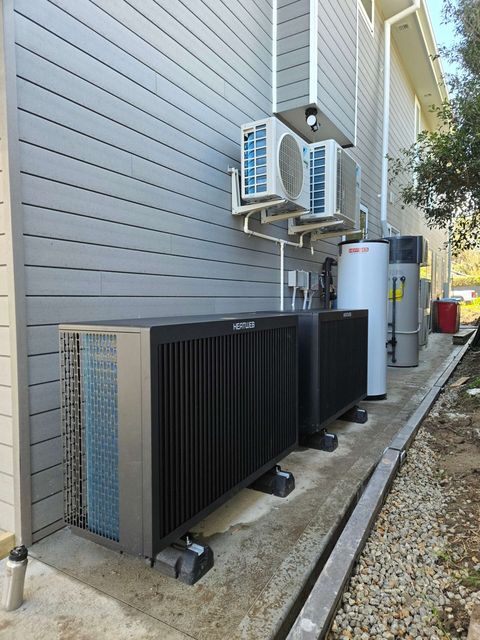
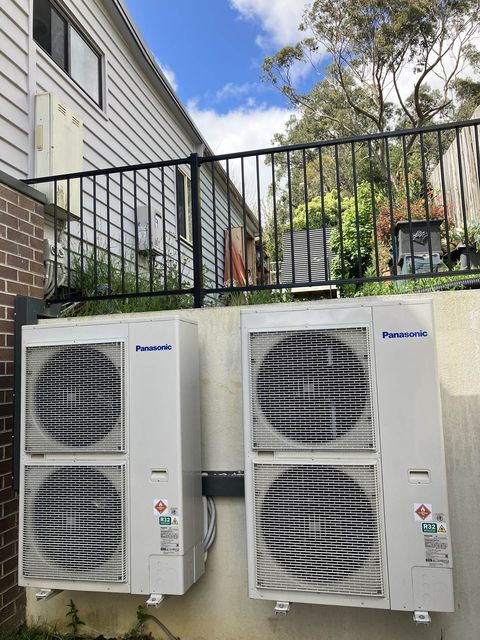
A heat pump, as Solar Victoria describes it, draws heat from the outside air and turns it into hot water for the panels or floor. It's the route for a Melbourne new build from 2027, and for anyone planning to leave gas. It adds an outdoor unit and electrical work to the job.
Mind the neighbours with a heat pump. EPA Victoria's rules say a heat pump used for heating mustn't be heard inside a neighbour's habitable room after 10pm, or before 7am on weekdays and 9am on weekends. Where it sits matters on a tight block.
What makes a Melbourne hydronic job bigger or smaller
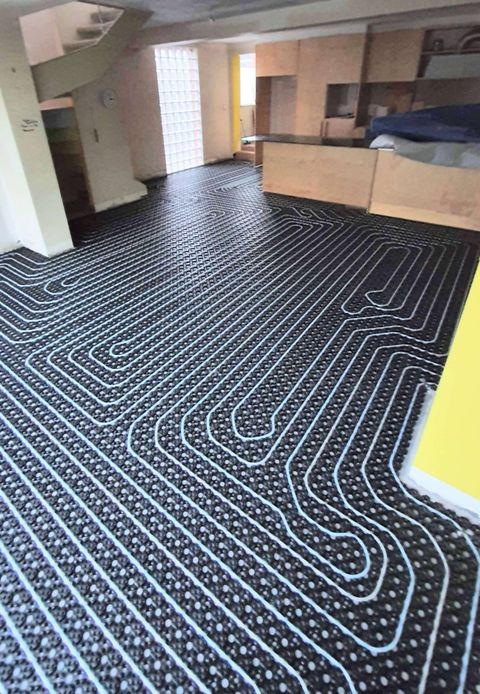
Wall panels are the usual way to add hydronic to a home you live in. Underfloor is far easier when the floors are up anyway, such as an extension or a knock-down rebuild, which from 2027 will also be all electric.
Each room adds a panel and a pipe run. Solar Victoria says hydronic pipes need proper insulation to stay efficient, so ask how they'll be lagged under the floor or in the roof. And plan summer separately: on a hot north-westerly day, you'll want a split or another way to cool. Our national hydronic heating page compares panels and underfloor in detail.
Renting it out?
A Victorian rental can count working hydronic heating with an outlet in the main living area as its energy efficient fixed heater until 28 February 2027, and one in good order that was in place before 1 March 2027 can stay. If it permanently fails after that, ask the installer to show how the replacement meets the new electric heater definition. Our rental heating guide has the rules.
Questions for a Melbourne hydronic installer
- Have you done a room-by-room heat loss for this house, and can I see it?
- Gas boiler or heat pump: which would you fit here, and why?
- Where will the boiler or heat pump go, and how far is it from next door's bedrooms?
- Which licensed trades will do the gas, plumbing and electrical parts of the job?
Your side of it, and the installer's
You can
- Decide which rooms need heat, and at what times of day.
- Find out if the house is on mains gas before anyone designs around it.
- Keep couches and long curtains off the panels.
Leave to a licensed installer
- The heat loss design and panel sizing.
- Gasfitting for a boiler, and its flue.
- All pipework and plumbing.
- Electrical work for a heat pump and the controls.
What we'd do
Our take for a Melbourne home
In an existing home on gas with a long winter ahead, a well-designed gas boiler system is still a fair choice. On a new build, or if you're planning to leave gas, we'd go heat pump from the start. Either way, we'd want a hydronic specialist's room-by-room heat loss design before any talk of brands, and a plan for summer cooling alongside it.